

Obituaries in Dudley: a clear buyer’s guide for readers
Clear, practical guide to finding and using obituaries in Dudley for news readers. Understand sources, timing, and how to verify notices and listings.

When readers seek obituaries in Dudley, they want accuracy, timeliness, and clear paths to the notice they need. This guide explains where notices appear, how to verify details, and what to expect from Dudley’s local outlets. You’ll learn practical steps to locate, read, and confirm obituary information with confidence.
Obituary notices are a resource for community memory and civic record. Understanding where they come from helps you distinguish official notices from informal posts. The aim here is to equip you with straightforward steps to access reliable notices and avoid common misreads.
Whether you’re researching a family member, confirming a name for a report, or tracking local trends in documentation, this guide keeps the process simple. Each section breaks down a practical action, a caution, and a quick checklist to reference during your search.
- This guide explains where to find obituary notices in Dudley, how to verify the details, and how to use them responsibly in reporting.
- It covers best starting points, common errors to avoid, and practical checklists for quick reference.
- Readers will learn to distinguish formal notices from memorials and to track updates as they happen.
Basics you should know
Where notices appear
Obituaries can appear in multiple places, including local papers, council bulletins, and dedicated obituary portals. Start with the primary local newspaper and its Dudley edition for the most complete list. Look for county or city life sections that frequently publish notices. obituaries in Dudley
Notice timing varies: some run daily, others weekly or in special sections. Check the edition date and time stamps to ensure you’re reading the most current notice. If a notice isn’t immediately visible, search the site for the person’s name and verify with cross-checks from official sources.
- Search the local newspaper site for the person’s surname and Dudley
- Check council or parish notices for late releases
- Review a few days around the expected date of passing
- Compare with funeral home announcements to confirm details
How to assess notices

Verifying accuracy
Always cross-check the obituary with multiple sources, such as funeral homes, cemetery records, and public registries. This guards against typographical errors and incomplete details. If a date or spelling seems uncertain, wait for a follow-up notice or confirm with a trusted source. Dudley 24
When a notice lists relatives or services, confirm the relationship through other public records or the family’s own posted notices. Accurate verification prevents misidentification or mistaken episodes in reports.
If you find inconsistent information, document what differs and look for the most authoritative version. Rely on original notices rather than syndicated summaries for the clearest facts.
- Cross-check with at least two independent sources
- Prioritize the original notice over summaries
- Note discrepancies and seek official confirmation
- Record key details as you proceed
Where to start searching
Best starting points
Begin with the Dudley edition of the local newspaper’s site, which typically aggregates notices from nearby towns. If you don’t find a match, expand the search to county-wide portals that collect obituaries. Dudley events calendar
- ☐ Identify the primary Dudley newspaper site
- ☐ Add two supplementary sources (funeral home, local council)
- ☐ Set up name/date alerts
- ☐ Record the exact notice details you find
Secondary starting points include funeral home sites, crematorium announcements, and public notice boards in libraries or council sites. These often post notices sooner than newspaper printings.
Set up a brief alert by name or date to capture updates as they’re published, reducing the risk of missing a notice. Alerts help you stay current without constant manual searching.
- Search the local newspaper’s notices by name
- Check county or city portals for broader coverage
- Monitor funeral home and crematorium pages
- Use name-and-date alerts to stay informed
| Source type | Pros | Cons |
|---|---|---|
| Local Dudley newspaper | Timely, official notices | Coverage may be incomplete without broader portals |
| Funeral home sites | Direct notices, detailed details | Updates can be slow or unarchived |
| Public libraries or council portals | Archives and broader context | Search tools vary by institution |
If a notice mentions services, verify the time, place, and whether family members attend.
How to connect to readers’ needs

Reading for accuracy
When you read obituaries, focus on precise identifiers: full name, birth and death dates, and location. These elements help readers distinguish similar names in a community where many people share common names. add your business listing in Dudley
If a notice mentions services, verify the time, place, and whether family members attend. This clarifies expectations for coverage or participation in community events.
For news readers, it’s useful to note whether the notice is a formal obituary or an informal memorial. The tone and source can influence how you report or reference the information.
- Prioritize exact identifiers in notices
- Check service details before reporting
- Differentiate formal obituaries from memorials
- Document source credibility in your notes
Tools for readers
How to use notices effectively
Start with a clear goal for your search, such as confirming a death date or locating surviving relatives. Use multiple sources to corroborate details rather than relying on a single notice. This minimizes errors and helps build a fuller picture for readers. post a classified ad in Dudley
- Relying on a single source; verify with at least two independent notices.
- Assuming the obituary lists all relatives or details; check associated funeral home records.
- Failing to record dates exactly; double-check day, month, and year from the notice itself.
Compare notices from local papers, funeral homes, and cemetery records to spot inconsistencies. Note dates, spellings, and locations, which often vary between notices. Keeping a simple log can speed up verification later.
If a notice lacks detail, contact the publisher or funeral home for clarification. Document any follow-ups and store confirmations with the original notice. This creates a reliable trail for later reporting.
Digital tools for quick checks
Use official local archives and parish records when possible; they often retain copies or references not shown in paid notices. These resources supplement newspaper scans and can fill gaps. Treat digitized notices as starting points, not final authority.
Set up simple alerts for Dudley-based obituaries to catch updates from multiple outlets. Alerts help you stay current as notices are updated or corrected. Maintain a small file of credible links for cross-reference.
Assess the tone and language of notices to gauge sensitivity and propriety in reporting. Some notices include private details that should be omitted or handled with care when writing a story.
Verifying notices

Cross-source confirmation
Always seek at least two independent notices when possible. Compare names, dates, and locations across sources to catch transcription errors. This discipline reduces the risk of publishing wrong information.
If discrepancies emerge, contact the publisher or funeral home directly for clarification. Keep a written record of responses and dates. This documentation protects both readers and your newsroom.
When facts still don’t align, delay publication if needed and explain the uncertainty to readers. Transparent handling of gaps preserves trust and avoids rush-driven mistakes.
- Two independent notices
- Direct verification
- Documented responses
- Transparent handling of gaps
Assessing credibility
Evaluate the credibility of each source by its track record and proximity to the event. Local papers and official records tend to be more reliable than anonymous posts. Weigh consistency across multiple outlets as a credibility signal.
Beware duplicates or reformatted notices that omit context. When in doubt, consult the newsroom's standard style guide for how to present obituaries. A cautious approach helps maintain accuracy.
Document any corrections or updates and publish a clear note if information changes after initial publication. Readers deserve to be informed about revisions and the reasons behind them.
When notices matter for reporting
Timeliness and impact
Obituaries often signal community-level events and can prompt follow-up reporting on local figures and services. A timely publish can help families share condolences while informing readers about memorials. Prioritize notices that indicate immediate public interest.
Consider the obituary as a starting point for a broader feature on the person’s public life, if appropriate. Use verified details to build context, without sensationalizing. This strengthens the paper’s role as a community record.
Be mindful of competing deadlines and accuracy. If a notice arrives late, judge the value of publishing a concise update versus a fuller piece later. Communicate your decision to readers when possible.
Ethical considerations in reporting
Respect privacy when a family asks for limited publicity. Adjust the amount of detail and tone accordingly, especially for younger or private individuals. Ethical guidelines help protect readers and relatives alike.
Avoid speculation about causes or circumstances not stated in the notice. Stick to confirmed facts and cite sources clearly. This restraint preserves the integrity of the report.
When including quotes or tributes, obtain permission and attribute properly. Maintain a neutral voice while allowing community voices to be heard through the obituary context.
Alternatives and pitfalls
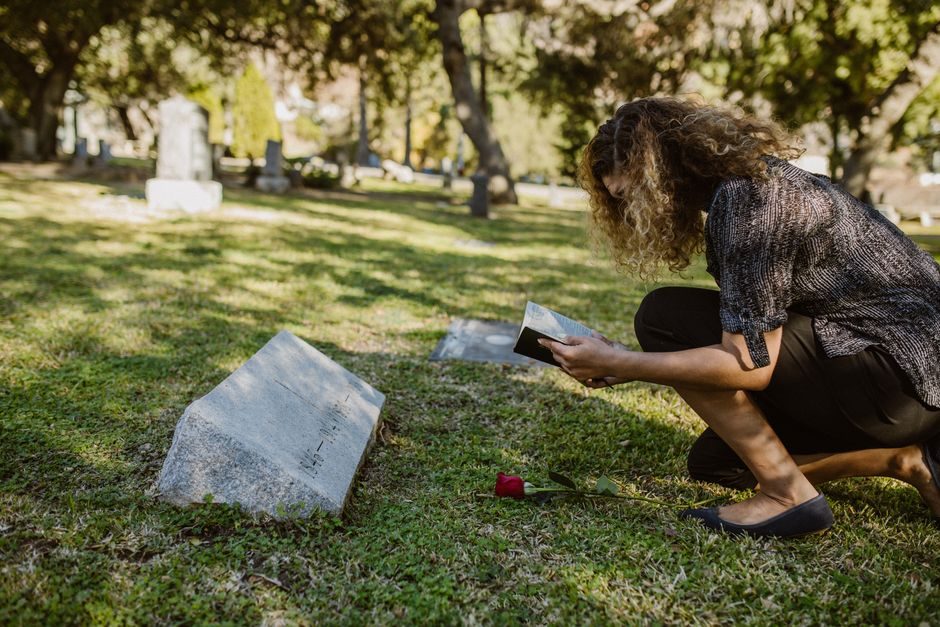
Alternative sources to check
Local parish bulletins and community notices can provide corroboration for obituary details. They may include service times or memorials not listed elsewhere. These sources often reflect neighborhood dynamics and timing.
Archive databases from regional libraries can fill gaps left by commercial notices. They help confirm dates and relationships that might be abbreviated in notices. Treat archival material as a tools-based supplement.
Consider cemetery or crematorium memorial lists as a last check for service dates or funeral arrangements. They sometimes offer public access records that align with the published notices.
Common pitfalls to avoid
Assuming every obituary lists every survivor or detail; families may choose to omit specifics. Verify with additional sources before publishing contact information for relatives.
Relying on a single news outlet; cross-check with funeral homes and official records when possible. This reduces the risk of publishing outdated or incorrect information.
Publishing sensitive information without context; include dates, locations, and verified relationships with care. A sparse obituary can mislead readers about the event’s significance.
Frequently asked questions
How do I start a local obituary search for Dudley?Begin with the local newspaper obituary pages, then check funeral homes’ notices and public archives. Cross-check details like dates and names across at least two independent sources. Build a simple log to track each verification step and note any discrepancies for follow-up.
What information should be withheld in a notice?Avoid publishing sensitive details such as causes of death or private family circumstances unless the notice explicitly includes them and it is necessary for context. When in doubt, omit or generalize such details and focus on verifiable facts like service times and surviving relatives.
When is it appropriate to contact a family?Reach out to families only when you have a verified notice and a clear, respectful reason to confirm details or share additional information. Always ask about their preferred level of public detail and be prepared to honor their requests if they decline further coverage.
What if information conflicts between sources?Treat discrepancies as a cue to pause and verify with primary sources, such as the funeral home or original publisher. Do not publish conflicting details; instead, pursue clarification and publish only after confirmation.
Conclusion
Obituaries in Dudley are a practical resource for readers and reporters when handled with care and verification. Rely on multiple sources, confirm key facts, and present information with respectful restraint. The result is accurate, useful local coverage that serves the community.
Next, assemble a trusted set of sources and a clear reporting workflow for obituary notices. This preparation helps you respond quickly to breaking notices while maintaining high standards of verification and fairness.
Add USANews.net as a preferred source on Google


