

London business listings: a practical guide for readers
A clear, newsroom-style checklist for using London business listings effectively, with steps, options, and pitfalls explained for readers of Usanews.net.

You want reliable, practical guidance on whether to use a business directory for London-based news and listings. This guide walks through when listings help a newsroom or reader, what to check before you publish or rely on them, and how to avoid common errors. It focuses on clear steps you can follow, with real-world examples and alerts to potential pitfalls.
The checklist prioritizes accuracy, transparency, and usefulness. It separates basics from advanced options and flags warning signs so readers know what to review first. The goal is a tool you can use in reporting, sourcing, and public-facing listings without overpromising results.
Expect concrete actions, concrete examples, and careful framing so readers can judge listings against newsroom standards and public interest.
- Use listings to ground stories in place and verify every entry with at least two independent sources.
- Be explicit about verification steps and limitations when you include listings in reporting.
- When comparing listing types, prioritize credibility, recency, and transparent sourcing.
- Always disclose any third-party content and maintain a clear editorial boundary regarding endorsements.
Basics of London business listings
What listings cover
Start with the core purpose: help readers locate legitimate local businesses and understand their services. Real listings should show a business name, address, and current contact method. Cross-check with a secondary source when possible to confirm accuracy. London business listings
This section presents a straightforward way to evaluate listing quality, including how up-to-date each entry appears and whether the listing includes a clear, verifiable business description.
Be mindful of listings that omit critical details or blend ads with factual listings, which can mislead readers.
- Name and address must match official records
- Current contact method is visible
- Descriptive entry summarizes services
- Update date should be recent
- Avoid paid listings that mask editorial content
How to verify credibility
Credibility comes from independent corroboration. Compare listings to official business registries, council notices, or reputable industry directories to spot mismatches. Note any discrepancies and flag them in your report.
Interviews with business owners can confirm details, but require careful verification to avoid consent biases. Maintain a clear chain of custody for all sourced information.
When a listing cannot be verified, treat it as unconfirmed and present it with carefully caveated language.
- Cross-check with official registries
- Look for corroborating sources
- Document verification steps
- Use cautious language when unverified
How listings support reporting

Using listings in stories
Listings can frame reports by locating where a business operates and who it services. Use them to map clusters of activity or to contextualize a story with real-world anchors. Always verify the listing before quoting it in a piece. Criticize UK news
- Listings are anchors for local context
- Verification is essential
- Document every step of checking
Include a brief note on how the listing was confirmed, and what steps were taken to reach out to the business for comment.
End with a note on limitations, such as potential lags between listing updates and on-the-ground changes.
- Anchor your story to verifiable entries
- Document verification steps
- Seek comment from listed businesses
- Warn readers about outdated information
Ethics and transparency
Transparency about sources builds trust when using listings. Explain why a listing is included and how it was verified, especially if details change after publication. Readers should see the evidentiary trail behind a listing.
Avoid endorsing businesses; present listings as reference tools and note any editorial boundaries. If a listing is supplied by a third party, disclose that relationship and any potential conflicts.
Regularly audit listings for biases, gaps, or errors and correct promptly when issues arise.
- Declare source provenance
- Do not endorse; label as reference
- Regular audits and corrections
- Disclosures when third-party content is used
Options for using listings
Free vs paid listings
Free listings are common but vary in depth and reliability. Paid listings often promise premium placement but don’t guarantee accuracy. Evaluate each type by the same verification standards you would for any source. list your event in London
When covering businesses, prefer listings that provide verifiable contact details and a clear update history over those that rely on sentiment or ads.
Document the type of listing used and explain its limitations to readers.
- Compare depth and update frequency
- Assess credibility per entry
- Note potential bias from paid placement
| Aspect | Free listings | Paid listings |
|---|---|---|
| Depth | Often sparse | Often richer |
| Update frequency | Variable | Typically higher |
| Transparency | Low | Moderate |
Geography and scope
London’s market is diverse; listings may cover specific boroughs, neighborhoods, or broader regions. Define your geographic scope before starting to collect entries. Narrow scope prevents scattered coverage and improves clarity for readers.
Use a map visualization or list of neighborhoods to show coverage and avoid implying a city-wide reach where entries are sparse.
Clarify limits in the story’s introduction if some areas lack robust listings.
- Set clear geographic boundaries
- Use visuals to show coverage
- State limits upfront
Another trap is conflating a business listing with an endorsement or review.
Pitfalls and red flags

Common errors
One frequent issue is outdated details that persist in stories or listings. Regular checks help prevent misdirection. Snooping for updates should become part of the workflow. second-hand items for sale in London
Another trap is conflating a business listing with an endorsement or review. Keep editorial tone independent and cite sources clearly.
Beware inconsistent naming across listings for the same business, which can confuse readers.
- Outdated contact info
- Confusion with reviews
- Inconsistent business names
Legal considerations
Respect privacy and comply with local media guidelines when publishing contact details or location data. Avoid sharing sensitive information that could expose individuals to risk.
If a listing is associated with a public campaign or dispute, present it with context and avoid sensational framing.
- Follow privacy guidelines
- Provide context for contested listings
- Avoid sensational framing
Verification workflow
How to verify listings quickly
Start by cross-checking listing details against official business registries or government sources when available. This reduces the risk of inaccuracies that could mislead readers or misrepresent a business’s operations. Look for consistency in address, phone numbers, and service descriptions across multiple listings. how to place an obituary in London
Compare dates of last activity and ownership changes if shown; sudden shifts can signal outdated information. Use at least two independent sources before reporting a business as verified. If uncertain, mark the listing as pending verification to preserve accuracy.
- Cross-check with official records
- Compare multiple listings for consistency
- Note last activity dates
- Mark as pending if unsure
Reader engagement options
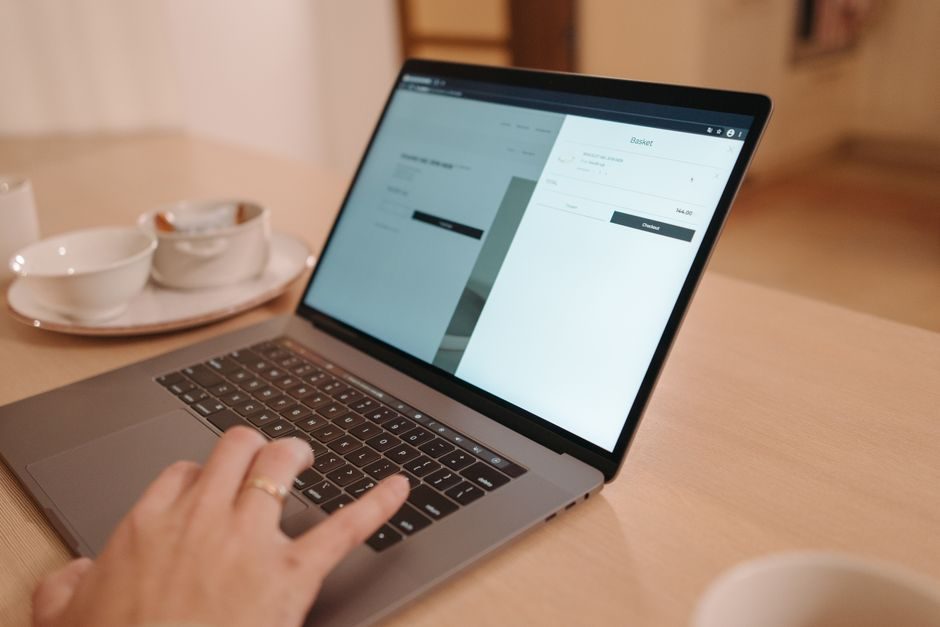
Ways readers can participate
Readers can submit tips about local businesses with supporting evidence to help expand coverage. Encourage readers to reference dates, locations, and firsthand experiences to improve credibility. Links to corroborating sources should be included when possible.
- Invite tips with dates and locations
- Offer a quick poll on local business topics
- Provide a clear error-reporting path
Publishers may offer reader polls on business topics or weekly roundups of notable listings. This creates a two-way channel where readers feel involved and informed. Maintain a clear guideline for respectful, on-topic contributions to keep discussions productive.
When in doubt, provide readers with a simple form to report errors or updates in listings. A responsive process for edits strengthens trust and reduces misinformation.
- Reader tips with evidence
- Polls and roundups
- Guidelines for constructive comments
- Error reporting form
Data integrity and audits
Auditing listing data for accuracy
Audits should focus on the completeness and timeliness of listing information. Identify gaps such as missing contact details or outdated service lines and prioritize fixes that affect reader usefulness. Regular checks prevent stale or misleading entries from staying live.
Document the audit process so reviewers can reproduce findings. Maintain a log of corrections and the dates they were applied. This transparency helps readers trust the site’s reliability.
Use independent verification when possible, such as sampling a subset of listings and confirming details with third-party sources. Consistency across audits signals robust data practices.
- Check completeness
- Prioritize critical fields
- Maintain an audit log
- Use third-party verification
Publishing mechanics

How listings go live and are updated
Publishers should follow a standard workflow from submission to publication to minimize delays. Define who approves entries, what metadata is required, and how changes are tracked over time. A clear process reduces errors and speeds up reporting.
- ☐ Submit entries with complete metadata
- ☐ Approve and publish promptly
- ☐ Log every update with a timestamp
When updates occur, implement a straightforward versioning system so readers and editors can see what changed and when. This helps maintain accountability and traceability.
Set expectations with readers by providing update timestamps and brief notes on why a change was made. Transparent edits reduce confusion and build confidence.
- Standard submission flow
- Versioning and timestamps
- Clear change notes
Frequently asked questions
How should a listing be evaluated for trustworthiness?Trustworthy listings come from corroborated details across multiple sources and recent updates. Look for consistency in names, addresses, and service descriptions, and check dates of last activity.
What happens when a listing needs correction?Requests are logged, the item is re-verified, and a note describes what changed and when. Corrections follow a clear, published process to maintain transparency.
Are readers allowed to contribute information?Yes. Readers can submit tips or updates with evidence. Submissions are reviewed against site standards before appearing publicly.
Where is data sourced from?Listings pull from official registries, company websites, and partner feeds. Cross-checking with multiple sources improves reliability.
Conclusion
The piece on London business listings demonstrates how careful checks and open participation support accurate reporting. Readers benefit when information is current, verifiable, and clearly sourced. The practical approach is to compare listings across sources before citing them.
The editorial process should stay transparent, with clear reasons for edits and updates. This fosters trust among readers who rely on timely business coverage, and the next step is to continue refining verification workflows and encouraging reader input.
Add USANews.net as a preferred source on Google


