

How to buy and sell in crypto: a clear, practical guide
A practical, reader-focused guide to buying and selling crypto, with steps, options, and pitfalls explained for steady, informed decisions.

Crypto buying and selling can be straightforward with the right steps. This guide focuses on practical actions readers can take, from choosing a platform to securing funds and recording trades. It stays clear of hype and sticks to how-to details that help you move confidently.
You’ll learn how to verify accounts, pick a wallet, and understand basic trade types without jargon. The goal is to equip readers with a simple playbook they can apply right away, regardless of experience level.
The article also notes potential risks and how to avoid common mistakes, so readers can trade more safely while staying informed about market updates.
- Begin with a trusted exchange and enable strong security features.
- Fund thoughtfully, using cautious initial deposits and simple trades to learn.
- Compare fee structures and total costs across platforms before committing.
- Record trades promptly for tax and personal accounting.
Basics of choosing a platform
Selecting a reputable exchange
Choose an exchange with clear verification steps, transparent fee structures, and robust security features. Look for two-factor authentication and withdrawal whitelists. Compare support options and user reviews to judge reliability. buy and sell in Blackpool
- Choose trusted platforms with strong security
- Understand fees and withdrawal rules
- Use small test trades to learn the system
In practice, prioritise platforms with easy login recovery and strong customer service. Consider how quickly deposits and withdrawals process and whether they support your local payment method.
Avoid relying on a single platform; diversify where possible to reduce risk and ensure access during outages.
- Check security features and legacy reputation
- Review fee schedules and withdrawal limits
- Test account features with small trades
- Confirm supported payment methods
Understanding crypto wallets
A wallet stores your private keys and gives you access to your crypto. There are hot wallets (online) and cold wallets (offline), each with trade-offs for convenience and security. Start with a reputable software wallet if you’re new.
Keep private keys and recovery phrases offline and never share them. Separate storage for long-term holdings from daily trading funds reduces risk.
Plan for backup and recovery options so you aren’t locked out if a device fails.
- Hot wallet for daily trades
- Cold wallet for long-term storage
- Back up recovery phrases
- Use separate accounts for different assets
How to fund and place first trades
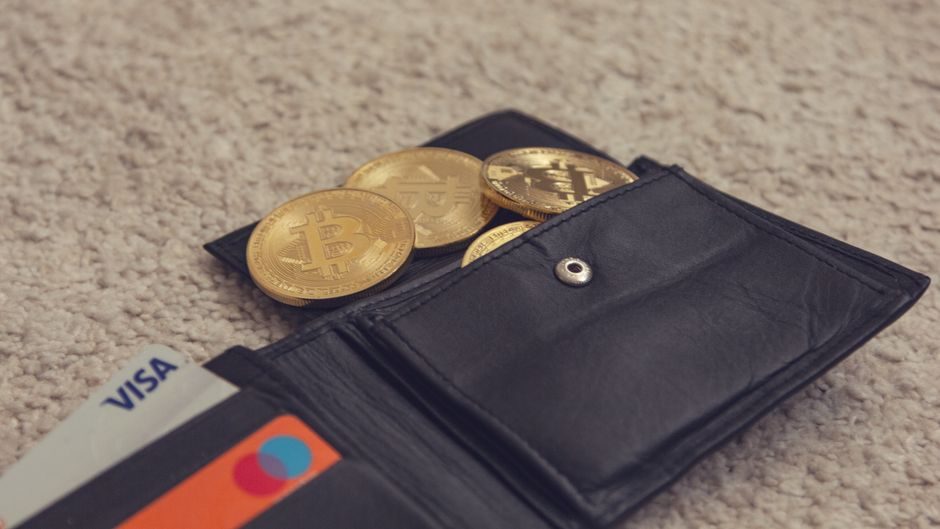
Funding your account
Link a bank account or card to fund your first purchase, starting with small amounts. Confirm identity steps and transaction limits before trading larger sums. A useful resource on this topic: latest news Blackpool.
Consider linked wallets to move funds quickly if you already hold crypto elsewhere. Track deposits to avoid delays during peak periods.
Be mindful of settlement times and any regional restrictions that apply to your payment methods.
- Start with small deposits
- Know your funding limits
- Link multiple funding sources
- Monitor processing times
Placing a first trade
Decide between market orders for immediate execution or limit orders to set a price target. Start with a simple pairing you understand, such as a widely traded cryptocurrency against a stablecoin.
Review order details before confirming to avoid accidental purchases at unexpected prices. Use test trades with minimal amounts to learn the workflow.
Record each trade for tax and tracking purposes to maintain clear personal books.
- Market vs limit orders
- Choose familiar pairs
- Double-check prices
- Keep transaction records
What to consider about options and fees
Types of fees
Exchanges charge basic trading fees, withdrawal fees, and sometimes network or withdrawal minimums. Understand how these add up with higher volume trades. A useful resource on this topic: get your event listed in Blackpool.
- Trading fees
- Withdrawal fees
- Network fees
| Option | Pros | Cons |
|---|---|---|
| Market orders | Immediate execution | Potential price slippage |
| Limit orders | Price control | May not fill immediately |
| Direct transfers | Simplicity | Processing times vary |
Choosing a fee structure
Some platforms reward high-volume traders with lower percentages, while others charge flat rates. Compare multiple options to see where your trading style fits.
Consider total cost over several months, not just per trade, especially if you trade often.
Factor in conversion costs if you hold assets in different currencies to avoid hidden losses.
- Volume-based discounts
- Flat-rate options
- Cross-currency costs
- Withdrawal timing impact
For daily trading, understand the difference between hot wallets and cold storage, and only keep what you are willing to move quickly.
Security practices for crypto
Protective authentication routines
Use strong, unique passwords for every crypto site and enable two-factor authentication where available. Choose hardware wallets or cold storage for large holdings to reduce online exposure. Regularly review active sessions and revoke access from unused devices to limit risk. A useful resource on this topic: business directory in Blackpool.
For daily trading, understand the difference between hot wallets and cold storage, and only keep what you are willing to move quickly. Keep a separate device for financial activity when possible to minimize cross-traffic with personal apps. Practice phishing awareness by verifying URLs before entering credentials.
Consider a recovery plan that includes secure backup phrases stored offline and in multiple locations. Do not store seed phrases on digital devices or in cloud notes. Periodically test restoring access to ensure you can recover funds if needed.
- Use hardware wallets for long-term storage
- Enable two-factor authentication
- Regularly review account activity
- Never share seed phrases
Regulatory and tax basics
Legal framework overview
Crypto regulation varies by country and can cover licensing, reporting and consumer protections. In many places, exchanges report trading activity for tax purposes and may require identity verification. Understanding local rules helps avoid penalties and ensures compliant behavior. how to place an obituary in Blackpool
If you trade actively, keep records of purchases, sales, and transfers, including dates and values in your local currency. This makes tax reporting smoother and supports any audits. Different jurisdictions may treat crypto as property, currency, or commodity, affecting how gains are taxed.
Consult a local advisor if you have complex holdings or cross-border activity. Rules can change, so stay informed through official government channels and reputable industry sources.
- Know how your country classifies crypto
- Track cost basis and holding periods
- Check if capital gains or income tax applies
- Be aware of reporting thresholds
Scalability and future options
Future-proofing your setup
Assess how scalable a platform is before committing funds. Look for features like multiple withdrawal methods, verification levels, and recovery options that fit evolving needs. A future-friendly setup reduces the need for frequent migrations.
Consider layer-2 solutions or cross-chain bridges if you plan to increase activity. These tools can affect cost and speed, so test with small amounts first. Keep an eye on wallet compatibility as networks evolve.
Plan for succession and access control, including who can move funds if you are temporarily unavailable. Document procedures and keep certain keys with trusted partners to prevent lock-in.
- Evaluate platform limits
- Test with small transfers
- Monitor evolving networks
- Document access plans
Getting help when you need it
Finding reliable assistance
Start with official support channels and a clear escalation path for urgent issues. Use written tickets so responses are traceable and measurable. If you encounter a scam or fraud, report it through the platform and local authorities where applicable.
When in doubt, seek independent verification from community resources or consumer protection groups. Compare responses across several sources to gauge consistency and credibility. Avoid relying on anonymous threads for resolution.
Keep a personal log of interactions, including dates, names, and outcomes. This helps you track progress and learn from past problems.
- Use official channels first
- Document every interaction
- Cross-check information
- Report scams promptly
Frequently asked questions
Can I buy crypto with a bank transfer or card?Most platforms accept bank transfers and card payments, but processing times and fees vary. Consider the speed you need, the amount you plan to move, and any limits on new accounts. Always confirm the accepted methods before initiating a transfer.
How do I protect my crypto from theft?Protective steps include enabling two-factor authentication, using hardware wallets for long-term storage, and keeping seed phrases offline. Be cautious of phishing attempts and avoid sharing sensitive details. Regularly review permissions granted to connected apps.
What happens if I lose access to my account?If you lose access, use recovery options offered by the platform, such as backup codes or seed phrases stored offline. Contact support promptly and provide any required verification. Have a tested recovery plan to reduce downtime.
Are there tax implications for crypto trades?Tax treatment varies by country, but many places require reporting capital gains and, in some cases, income. Maintain records of purchases and sales, including dates and values, to simplify reporting and audits.
Conclusion
Takeaways and next steps for readers include applying a cautious, well-documented approach to buying and selling crypto. Start with trusted platforms, enable strong protection, and keep precise records for tax purposes. Grow gradually as you confirm your process and comfort level.
A practical next step is to outline a one-page plan that identifies goals, risk tolerance, and a simple security routine. Use this as a living document that you update after each significant trade or regulatory change.
Add USANews.net as a preferred source on Google


