

Crawley Daily website: A practical reader’s checklist
A concise, field-tested guide for checking Crawley Daily website reliability, navigation, and usefulness for breaking news and local updates.

Readers deserve clear guidance on how to use Crawley Daily website for reliable local news. This checklist explains what to verify, how to navigate sections, and what to watch for when sourcing breaking updates. It stays concrete, with practical steps you can apply today.
First, confirm the site’s fresh reporting by checking timestamps and by comparing breaking headlines with reputable outlets. Then assess the layout: is key information easy to find, with clear bylines and editors’ notes? Finally, consider safety and credibility signs, such as transparent corrections and source attribution.
Use this guide to decide when Crawley Daily website is a trustworthy starting point for local stories, and when to cross-check with other outlets for a fuller picture.
- This guide shows how to use Crawley Daily website for reliable local news, with practical steps to verify, compare, and engage.
- Readers learn to check timestamps, sources, and corrections; use filters for events and listings; and diversify outlets to avoid bias.
- The plan covers basics, credibility, listings engagement, pitfalls, and reader tips, with a structure that mirrors everyday newsroom caution.
Basics of using the site
Access fundamentals
Open the home page and verify the latest headlines are timestamped. Look for a clearly labeled editorial team and a contact page. Check if breaking news has a dedicated ticker or live updates to gauge immediacy. Crawley Daily website
Next, assess site navigation: is there a sections bar for local, national, and world news? Ensure you can reach the latest Crawley coverage within two clicks, which saves time during fast-moving events.
Finally, confirm accessibility: font size is readable, pages load within seconds, and critical links (contact, corrections) are obvious to locate.
- Latest headlines show timestamps
- Editorial team listed
- Clear contact page
- Local coverage within reach
- Accessible design
How to verify credibility
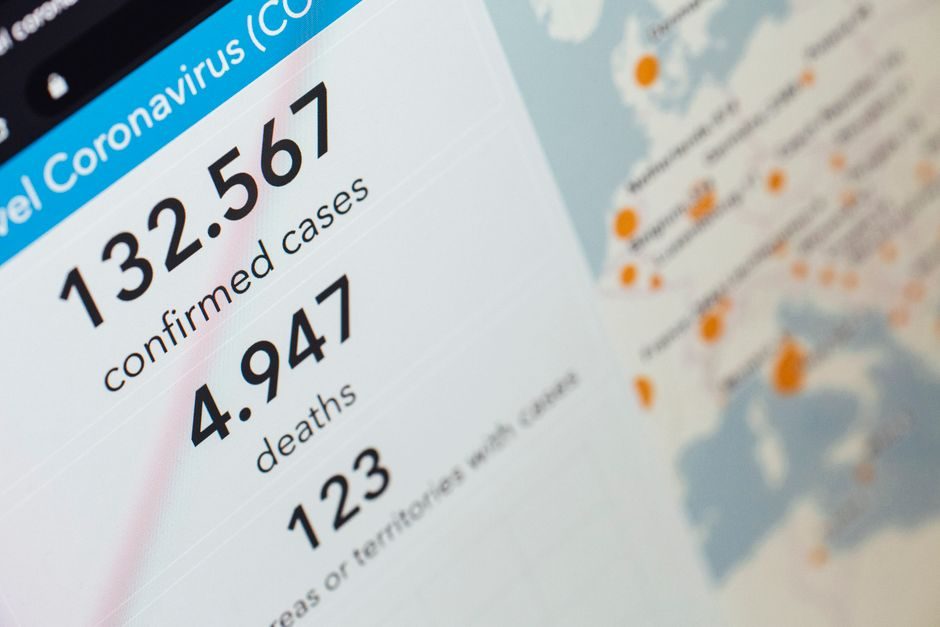
Cross-check sources
Identify at least two corroborating sources for any major claim. Compare the language used for certainty and look for hedging in speculative statements. Credible outlets often distinguish fact from comment clearly. To verify events, you can also submit an event in Crawley and compare it with other sources.
- Scan article for date and byline clarity
- Look for explicit corrections or updates
Check for corrections or clarifications posted on the article page. A transparent record of amendments signals attention to accuracy and accountability.
Note if the piece cites named sources or documents, and whether those sources are traceable through public records or official statements.
- Two corroborating sources
- Clarifications posted
- Named sources or documents cited
How to engage with Crawley’s listings
Local content and events
If you need local events or business listings, locate a dedicated section or search bar with filters for date, venue, and price. This helps in planning participation or attendance. Use the site’s calendar to verify event details against other community calendars. Crawley business listings
- ☐ Use filters for better results
- ☐ Verify dates and venues
- ☐ Contact posting parties directly
For classifieds or listings, check the posting dates and contact methods. Be wary of outdated entries; older posts may have expired offers or changed circumstances.
Compare listings with alternate sources or neighborhood forums to confirm current status and avoid misinformed decisions.
- Event filters and date search
- Classifieds dating and contact
- Cross-check with other calendars
| Feature | Listings option A | Listings option B |
|---|---|---|
| Date filters | Available | Limited |
| Contact methods | Direct | Relay through post |
| Verification | Cross-check advised | Cross-check advised |
Watch for paywalls or content gating that could obscure essential context; if key details are hidden, look for alternative outlets with open access.
Pitfalls to watch for
Common accuracy traps
Be cautious of headlines that lack specifics or overstate certainty. Vague phrasing can mask unverified information and require further checking. A useful resource on this topic: sell second-hand items in Crawley.
Beware of sensational language or exclusive claims without named sources. Such signals invite readers to pause and seek the original reporting.
Watch for paywalls or content gating that could obscure essential context; if key details are hidden, look for alternative outlets with open access.
- Vague headlines
- Sensational language
- Paywalls hindering context
Ethical reporting and transparency
Credible sourcing practices
This subsection examines how Crawley Daily should present information with verifiable sources and clear attribution. Readers benefit from knowing when details come from official statements, on-the-record interviews, or documents. Expect concise notes on the provenance of key facts to maintain trust in ongoing reporting. post a funeral announcement in Crawley
- Identify primary sources early
- Quote accurately with context
- Avoid embellishment or speculation
- Provide links or citations when possible
Transparency in corrections and updates shows accountability. Readers should see a clear record of what changed and why, especially on evolving stories. This section highlights how Crawley Daily reflects edits and retractions in a timely, visible way.
Local impact and community voices

Interviews with residents and officials
This section focuses on how the site incorporates diverse local perspectives. It explains methods for inviting input from residents, business owners, and municipal staff. Concrete examples show how differing views shape the reporting.
- Balance viewpoints
- Identify representative voices
- Clarify whose perspective is represented
Coverage of neighborhood-level news benefits from timely, accessible language and clear context. This subsection outlines practical steps for reporting on local events, policies, and changes that affect daily life. Expect practical tips about timing, tone, and follow-ups to keep readers informed.
Crawley Daily for emergency updates
Timely alerts and verification
The emphasis here is on rapid, accurate updates during crises. Readers rely on verified information to make decisions, so the checklist covers when to issue alerts, how to confirm details, and how to correct the public record without causing panic.
- Coordinate with local authorities
- Avoid unverified rumors
- Provide clear, actionable steps for readers
This section outlines the newsroom workflow for emergencies: monitoring feeds, cross-checking with official sources, and communicating changes as situations develop. It also describes how to label updates for easy reader comprehension and how to handle conflicting reports gracefully.
How Crawley Daily compares to rivals

What sets Crawley Daily apart
This segment identifies unique strengths in Crawley Daily’s approach, such as local depth, source transparency, and a steady cadence of follow-ups. It provides concrete examples of how this differentiates coverage from other outlets in the area.
- Strong local ties
- Clear sourcing
- Regular corrections and clarifications
The second subsection examines potential blind spots and how the site mitigates them, like avoiding echo chambers or over-reliance on a single source. It presents practical checks the newsroom uses to stay balanced and accurate in competitive beats.
Frequently asked questions
How can I send tips to Crawley Daily?Readers can submit tips through the site’s tip form, specifying date, location, and any corroborating details. The newsroom treats all tips with care, seeking verification before publication. If a tip is time-sensitive, reporters will provide the best available information while noting its preliminary status.
What happens when a correction is needed?Corrections are posted as soon as verification is complete and linked to the original story. The note explains what changed and why, and it stays with the updated version for transparency. This practice helps readers understand the evolution of a report.
How does Crawley Daily verify sources?The site prioritizes primary sources, official records, and on-the-record statements. Reporters corroborate details across multiple independent sources before publishing. When information is uncertain, the report clearly marks it as developing.
Will there be follow-up coverage after a breaking event?Yes. The newsroom commits to ongoing updates, clarifications, and deeper context as new information becomes available. Readers can expect follow-ups that explain implications for the community and any changes to guidance.
Conclusion and next steps
The checklist acts as a daily reminder to place accuracy, transparency, and reader service at the center of Crawley Daily’s coverage. By sticking to consistent sourcing, clear corrections, and community input, the site earns trust over time.
Readers should look for steady updates, explicit source notes, and opportunities to contribute feedback. The next step is to apply these practices to the next major local story and monitor how quickly updates are issued and clarified.
Add USANews.net as a preferred source on Google


