

Best daily news podcasts in Spanish: clear, practical picks
A practical guide for US readers on the best daily Spanish-language news podcasts, with concrete criteria, comparisons, and practical tips for listening.

Daily News EN USA readers seeking reliable Spanish-language updates will find this guide useful. It identifies practical, consistently updated daily news podcasts in Spanish that fit a newsroom mindset: concise, accurate, and easy to follow. The goal is to help you pick streaming options that fit your schedule and information needs without wading through noise.
This guide focuses on structure, pace, and reliability. You’ll learn how to assess a podcast’s freshness, sourcing, and balance, plus how to fit listening into a busy day. Expect concrete examples, practical tips, and careful comparisons that respect journalism standards.
Across sections, you’ll see concrete suggestions, safe listening habits, and cues to spot credible reporting. The aim is to empower readers to choose podcasts that reliably summarize the day’s news in clear Spanish, with minimal filler and maximal clarity. The result is a practical toolkit for daily news listening.
- This guide helps US readers find reliable daily Spanish-language news podcasts. It explains how to assess credibility, listening routines, and format options. Practical checks show you how to pick podcasts with steady updates and clear language. Use the tips to build a consistent, informed listening habit.
- Key decisions include choosing a podcast with a newsroom tone, matching your listening schedule, and avoiding sensational framing by relying on verified sources. The plan combines quick briefings with optional deeper dives for context.
- Readers gain concrete steps: compare two or three candidates, use transcripts, and rotate outlets to spot biases while maintaining coverage of major stories.
Basics of daily Spanish news podcasts
What to expect from daily updates
A good daily Spanish news podcast delivers a concise roundup, usually 15 to 25 minutes, with a clear structure: headlines, brief context, and a short analysis. Look for regular hosts and consistent publishing times, which reflect reliability. This baseline helps you plan listening around work or commutes without surprises. Daily News EN USA
Consistency matters because it shapes how you track events. If a show maintains a steady cadence, you’ll rely on it for quick briefings and deeper context alike. Favor programs with transparent sourcing and a recognizable editorial stance that matches your information needs.
Be wary of overly long episodes or vague summaries. Short, precise bullet points and direct language typically indicate tighter production and editorial discipline, which is essential for staying informed without fatigue. Your listening habits should support quick updates and occasional deeper dives.
- Consistent daily cadence
- Clear headlines and summaries
- Defined sourcing
- Balanced, concise analysis
- Accessible language
How to judge credibility
Credibility rests on transparent sourcing, corroboration across outlets, and absence of sensational framing. When a show cites multiple sources or explains why a story matters, it earns trust. The goal is not perfect accuracy but clear accountability for what is being reported.
Editorial transparency includes how hosts handle corrections. A good program will acknowledge mistakes and update listeners when necessary, which signals newsroom discipline. If a podcast avoids explanations or hides its process, consider alternative sources.
Avoid podcasts that recycle talking points or rely heavily on guest claims without verification. Favor programs that offer briefings anchored in verifiable facts and call out uncertainty when it exists.
- Transparent sourcing
- Acknowledge corrections
- Verifiable facts
- Avoid unverified claims
How to listen effectively
Best listening routines
Set aside a consistent time for daily listening, even if just 10–15 minutes. A steady routine helps you capture key updates without forcing extra effort. For heavier days, keep a shorter briefing handy so you stay informed without feeling overwhelmed. A useful resource on this topic: get your event listed in the USA.
- Pick a daily podcast
- Set a consistent time
- Skim notes before listening
- Tune out distractions
Use transcripts or show notes when available. They can help you track who said what and improve retention, especially if the topic is new or complex. Even a quick skim before listening can set a purpose for your session.
Match listening to your needs: quick briefings for mornings, deeper dives after work, or weekend summaries for broader context. Tailor the experience to your schedule so you stay engaged rather than fatigued.
- Morning briefings
- Transcripts aid memory
- Schedule-tailored listening
- Briefing goals set
Choosing a podcast with a newsroom tone
A newsroom tone emphasizes accuracy over entertainment and keeps language precise. Look for shows that present facts first, reserve judgment, and explain why events matter. A measured tone helps you stay informed without being swayed by hype.
Pay attention to pacing: some programs compress events into tight segments, others allow more room for context. Consider what fits your reading or viewing habits and how you process information.
Evaluate the balance of topics: a good daily podcast should cover national and international stories with practical implications for daily life. If it skews too narrowly, seek additional sources for a rounded view.
- Fact-first framing
- Measured tone
- Balanced topic mix
Options by format
Standard daily roundup
This format offers a core set of headlines, context, and a brief analysis. It’s compact enough for commutes and detailed enough to stay informed. The structure is predictable, which is helpful for building a listening habit. List your company in the USA
- Identify a daily roundup
- Check editorial transparency
- Test audio quality
- Choose one to follow
Several shows use this format with different editorial voices, so you can compare emphasis on politics, economy, or international news. If you prefer a balanced approach, select one with a transparent editorial stance and consistent updates.
When choosing, ensure you can access the latest episode quickly and that the host speaks clearly. A clean audio mix reduces listener fatigue and improves comprehension.
- Headlines and context
- Editorial voice variety
- Clear audio quality
| Format | Pros | Cons |
|---|---|---|
| Standard daily roundup | Easy to fit into routine, clear structure | May lack depth on fast-moving stories |
| Deeper analysis minis | More context, useful for complex topics | Longer listening time, potential bias risk |
| Mixed format | Balance of quick updates and deeper dives | Requires more tracker effort |
Deeper analysis minis
Some podcasts offer longer analysis segments within the daily brief. These are useful when you want more background on a developing story. Use them sparingly to avoid overload and maintain balance with shorter briefings.
These longer segments should still cite sources and provide a clear path to further reading or listening. If the segment relies on one source or expert, approach with caution.
Balance is key: combine a short daily briefing with one longer analysis piece a few times a week to deepen understanding without breaking cadence.
- Short briefings plus deep dives
- Source citations
- Cadence balance
Another pitfall is echo chambers that repeat the same viewpoint without challenging it.
Pitfalls to avoid
Common traps in Spanish news podcasts
Some shows lean on dramatic phrasing to boost engagement, which can distort events. Be wary of alarmist framing that oversimplifies complex issues. Rely on programs that separate facts from speculation. Used items for sale in the USA
Another pitfall is echo chambers that repeat the same viewpoint without challenging it. A robust daily podcast presents multiple angles and notes where uncertainty remains.
Technical issues like poor mic quality or inconsistent posting can undermine credibility more than bold claims. Prefer podcasts with steady production values and accessible transcripts.
- Alarmist framing
- Lack of diverse perspectives
- Technical reliability
Guardrails for daily listening
Set a time limit and stick to it to avoid listening fatigue. Use transcripts to verify quotes and names if you miss them in audio. If a story changes later in the day, note the update in your listening log.
Keep a short list of verified sources you cross-check when something sounds off. This habit reduces misinformation and strengthens your overall understanding.
Finally, rotate two or three programs to avoid overreliance on a single outlet. Variety helps you spot biases and get a fuller picture.
- Listening time discipline
- Source cross-checking
- Outlet rotation
User tips and habits
Daily listening cadence
Develop a consistent daily habit by choosing a fixed time to listen to your chosen Spanish daily news podcast. Start with a 10-minute segment and gradually extend as you become familiar with the pace and vocabulary. This helps you absorb key events without feeling overwhelmed. obituaries in the USA
Use a quiet, distraction-free space to improve retention and understanding. Turn on transcripts if available, and repeat tricky phrases aloud to reinforce memory. Over time you’ll catch nuances in tone and emphasis that signal credibility.
Pair listening with brief notes: jot down unfamiliar terms, dates, or people to research later. This creates a quick reference you can review during the day and helps connect stories across episodes.
- Set a daily reminder
- Choose one podcast and stick to it
- Keep a simple notebook for terms
- Review new words later
Platform differences in news audio
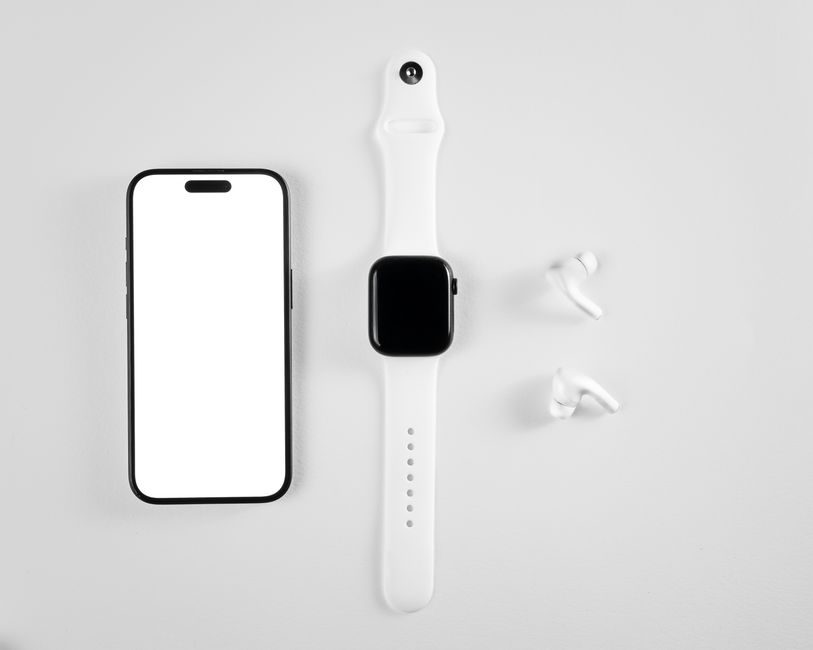
Access across devices
Some podcasts are optimized for mobile listening, while others play well on desktop. If you commute or walk, prioritize a feed that supports offline downloads and chapters for quick skimming. This makes it easier to stay informed even with limited connectivity.
Check episode length and update frequency; longer sessions suit deep dives, shorter ones fit quick briefings. A steady cadence helps you plan your day around the news cycle without feeling overwhelmed.
Evaluate app features like speed controls and sleep timers. These tools let you tailor the listening pace and prevent fatigue during long updates.
Credibility in Spanish-language news
Trust signals to look for
Look for podcasts that cite sources or reference official statements during stories. A clear distinction between opinion and news reporting helps you assess reliability. Favor podcasts that correct mistakes publicly and promptly.
- Source citations in episodes
- Corrections and clarifications
- Balanced tone and attribution
- Cross-check with other outlets
Cross-check coverage with established outlets to confirm consistency on major events. If multiple outlets diverge, note the uncertainty and seek follow-up episodes for updates.
Be wary of sensational language or unverified claims, even in Spanish. A measured tone and careful phrasing are indicators of journalistic discipline.
Future formats in daily news
Emerging formats to watch
The daily news format is expanding to include shorter briefings, audience Q&As, and translated summaries. These formats can help you stay informed when you have limited time. Look for podcasts that offer a mix of concise updates and deeper analysis across segments.
- ☐ Short, focused episodes
- ☐ Mixed analysis and updates
- ☐ Accessibility features are expanding
Voice options and accessibility features are likely to grow, making news more inclusive. Transcripts, sign language summaries, and multilingual options can broaden your ability to consume important stories.
Invest in a flexible listening plan that accommodates changing formats without sacrificing core news coverage. Adapting to new styles can keep you engaged and improve comprehension.
- Short briefings
- Q&A segments
- Expanded accessibility
- Multilingual options
Frequently asked questions
What should I look for in a daily news podcast in Spanish?Focus on clear language, defined sources, and a consistent publishing schedule. A good show delivers quick summaries and offers sources or references for key stories. It should distinguish between facts and analysis, helping you build a reliable daily picture.
How long should a daily news podcast be?Aim for 10 to 20 minutes for a quick briefing, or 20 to 40 minutes for a deeper story. Choose a mix that fits your available time and reading pace. Consistency matters more than length at the start.
Can a Spanish-language podcast replace other news sources?It can be a strong daily briefing, but it should not be the sole source. Cross-reference major stories with other outlets to confirm details and get additional perspectives. Use it as a daily starter, not the final word.
How do I assess credibility over time?Track whether the podcast cites sources, issues corrections, and maintains a balanced tone. If coverage becomes repetitive or sensational, reassess the show and consider alternatives. Your evaluation should be based on ongoing behavior, not one episode.
Next steps for daily news listening
To build a reliable daily news routine in Spanish, start with one steady podcast and set a fixed listening time. Use transcripts or notes to reinforce memory, and gradually add a second show for broader coverage. The goal is consistency and clarity about the events that affect your day.
As you become more comfortable, experiment with episode length and format to fit your schedule. Track what you learn and adjust your sources to maintain trust and context. The practical next step is to create a simple listening plan and review it weekly for tweaks.
Add USANews.net as a preferred source on Google


