

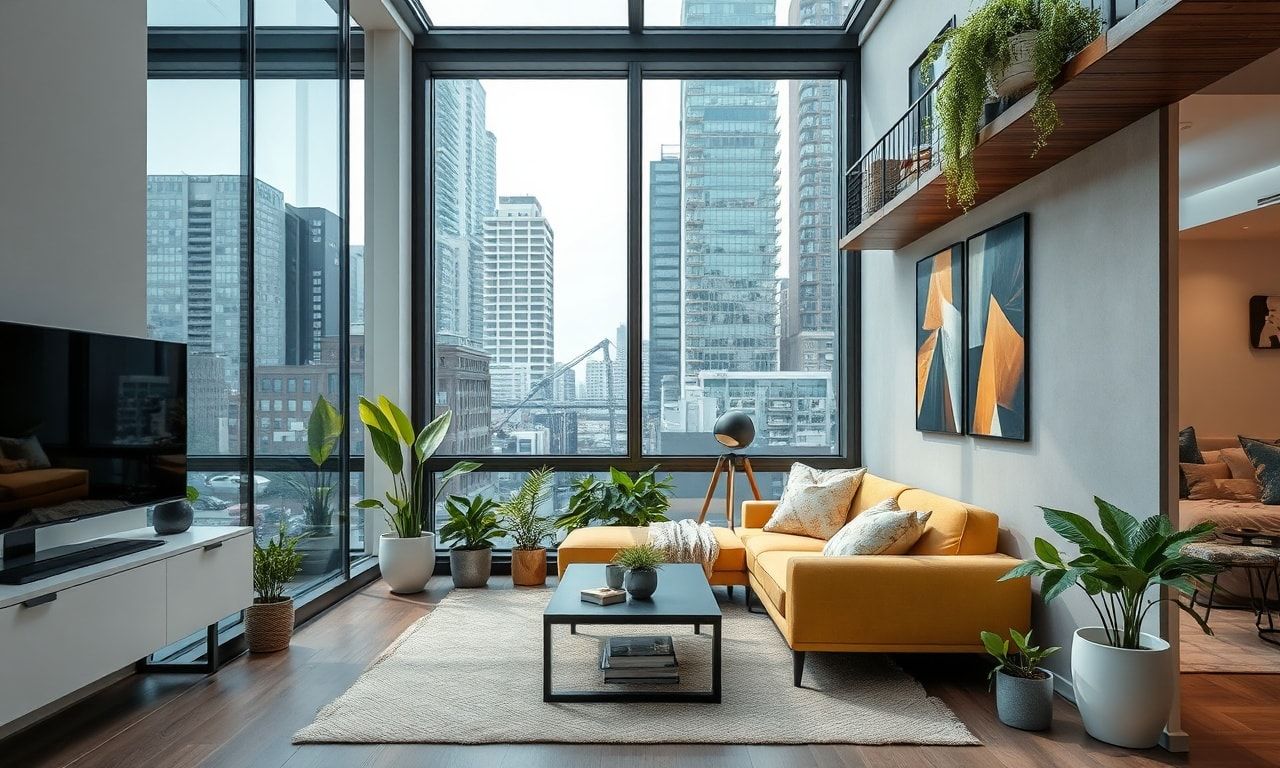
The Rise of Compact Living
The trend of urbanization has led to a significant increase in the number of people living in small apartments and condos. According to the U.S. Census Bureau, the number of households living in units with fewer than 1,000 square feet has been on the rise for the past decade. This shift has sparked a wave of innovation in home design and improvement, focusing on maximizing space and functionality.
Challenges of Small Space Living
Living in a compact space comes with its own set of challenges. Limited storage, lack of privacy, and the struggle to create a comfortable living environment are just a few of the issues that small space dwellers face. However, with the right strategies and a bit of creativity, these challenges can be turned into opportunities for innovative design and lifestyle adjustments.
Creative Storage Solutions
One of the biggest challenges in small space living is storage. Traditional furniture often takes up too much space, leaving little room for living. However, innovative storage solutions can help maximize every inch of available space. For example, using vertical space for storage is a popular trend. Wall-mounted shelves, hanging organizers, and tall bookshelves can provide ample storage without taking up valuable floor space.
Another creative solution is multifunctional furniture. Pieces like sofa beds, storage ottomans, and expandable dining tables can serve multiple purposes, saving space and money. Additionally, under-bed storage and over-the-door organizers can help keep clutter at bay. For those looking to transform their balconies, exploring home improvement ideas for small balconies can provide inspiration for creating functional and stylish outdoor spaces.
The Role of Technology in Small Space Living
Technology has played a significant role in making small space living more manageable. Smart home devices, for instance, can help automate tasks and save space. Smart thermostats, lighting systems, and security cameras can be controlled remotely, reducing the need for bulky control panels and switches.
Moreover, compact appliances designed specifically for small spaces are becoming increasingly popular. These appliances are not only smaller in size but also more energy-efficient, making them ideal for small apartments. From mini fridges to portable washing machines, these gadgets can help make the most of limited space.
Design Tips for Small Spaces
Designing a small space requires careful planning and attention to detail. Here are some tips to help make the most of a compact living area:
- Use Light Colors: Light colors can make a space feel larger and more open. Opt for light-colored walls, furniture, and decor to create a sense of spaciousness.
- Maximize Natural Light: Natural light can make a small space feel more inviting. Use sheer curtains or blinds to let in as much light as possible.
- Choose the Right Furniture: Opt for furniture that is proportionate to the size of the room. Avoid bulky pieces and choose furniture with clean lines and a minimalist design.
- Create Zones: Use area rugs, room dividers, or furniture to create distinct zones within a small space. This can help define different areas for living, dining, and sleeping.
- Declutter Regularly: Clutter can make a small space feel even smaller. Regularly declutter and organize your belongings to keep the space tidy and functional.
Case Studies: Successful Small Space Living
Many people have successfully transformed their small spaces into functional and stylish living areas. For example, a New York City apartment with just 300 square feet was transformed into a cozy and inviting home by using multifunctional furniture and creative storage solutions. Similarly, a London flat was revamped to include a home office, dining area, and living room by using clever zoning and space-saving furniture.
These case studies highlight the potential of small space living when approached with creativity and innovation. By thinking outside the box and utilizing available resources, it is possible to create a comfortable and stylish living environment, regardless of size.
The Future of Small Space Living
As urbanization continues to grow, the demand for small space living solutions is expected to rise. Architects and designers are already exploring new ways to maximize space and functionality in compact living areas. From modular furniture to smart home technologies, the future of small space living looks promising.
Additionally, there is a growing trend towards sustainable living, which aligns well with small space living. By using eco-friendly materials and energy-efficient appliances, small space dwellers can reduce their environmental impact while enjoying a comfortable and stylish living environment.