

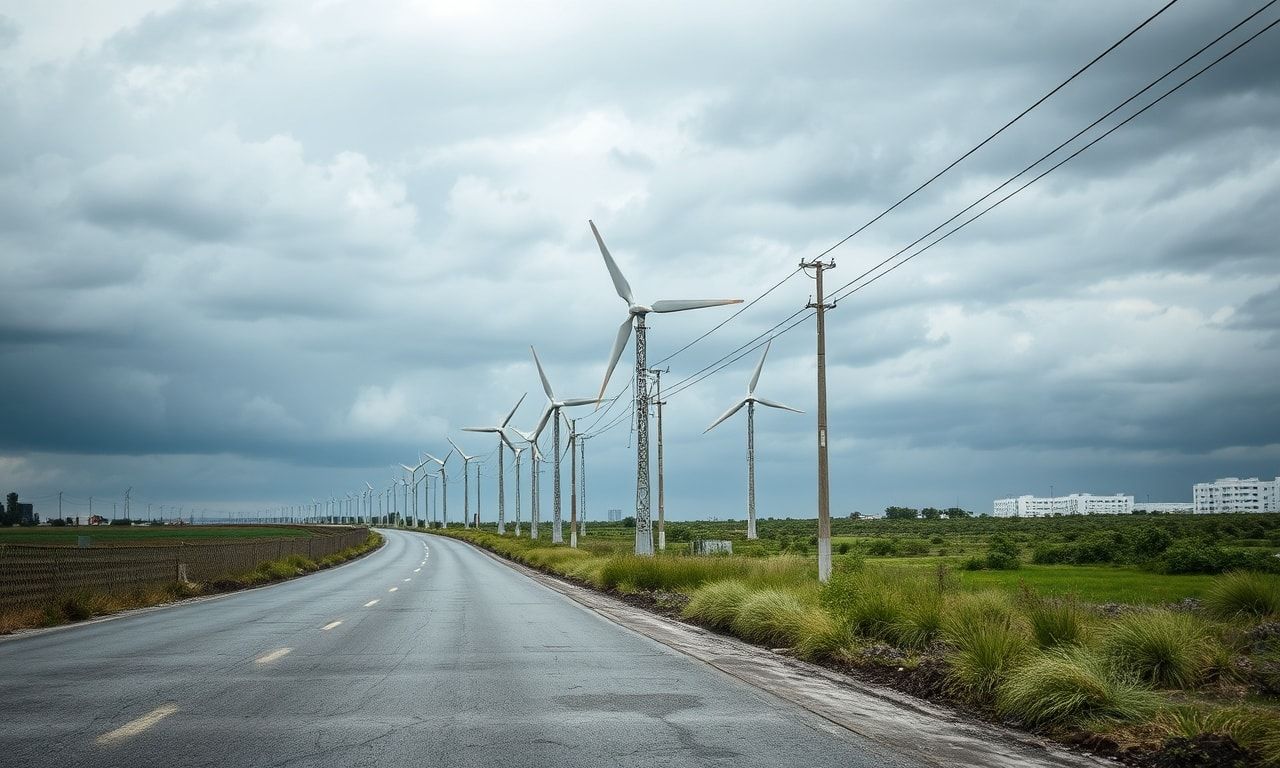
The Role of Wind in Our Daily Lives
Wind is an integral part of our daily lives, influencing everything from the weather we experience to the energy we consume. Understanding wind speeds and their forecasts is crucial for various sectors, including aviation, maritime activities, and even everyday planning. For instance, knowing the wind speed forecast can help farmers protect their crops, event planners organize outdoor activities, and individuals plan their daily commutes.
The Science Behind Wind Speed
Wind speed is measured using anemometers and is typically reported in miles per hour (mph) or kilometers per hour (km/h). It is influenced by several factors, including atmospheric pressure, temperature differences, and the Earth’s rotation. Meteorologists use sophisticated models to predict wind speeds, which are essential for accurate weather forecasting. These predictions help in preparing for potential weather-related events, such as storms or high winds, which can cause significant damage to infrastructure and property.
Wind Speed and Its Impact on Infrastructure
High wind speeds can have a profound impact on infrastructure. Buildings, bridges, and power lines are designed to withstand certain wind loads, but extreme winds can cause structural damage. For example, hurricanes and tornadoes can generate wind speeds exceeding 100 mph, leading to catastrophic destruction. Understanding and predicting these wind speeds is crucial for implementing timely evacuation plans and reinforcing infrastructure to minimize damage.
Wind Energy: Harnessing the Power of Wind
Wind energy is a rapidly growing sector that relies heavily on accurate wind speed forecasts. Wind turbines are designed to convert the kinetic energy of wind into electrical energy. The efficiency of these turbines is directly related to wind speed; optimal wind speeds range between 25-35 mph. Forecasting wind speeds helps energy companies plan for energy production and distribution, ensuring a stable and reliable energy supply. Additionally, accurate forecasts can help in maintaining the turbines and preventing damage from extreme winds.
Wind Speed and Transportation
The transportation sector is significantly affected by wind speeds. Aviation, in particular, relies on accurate wind speed and direction forecasts for safe takeoffs and landings. Pilots use these forecasts to adjust their flight paths and altitudes, ensuring passenger safety. Similarly, maritime activities, such as shipping and sailing, depend on wind speed predictions to navigate safely and efficiently. High winds can create hazardous conditions on the water, making accurate forecasts essential for maritime safety.
Wind Speed and Outdoor Activities
Outdoor activities, such as sports, recreation, and events, are also influenced by wind speeds. For instance, golfers need to account for wind speed and direction when planning their shots, while sailors rely on wind forecasts to navigate their boats. Event planners use wind speed predictions to ensure the safety and comfort of attendees at outdoor events. Accurate forecasts help in making informed decisions about event scheduling, setup, and safety measures.
Conclusion
Understanding and predicting wind speeds is crucial for various aspects of daily life and infrastructure. From ensuring the safety of transportation and infrastructure to optimizing energy production and planning outdoor activities, accurate wind speed forecasts play a vital role. As technology advances, the precision of these forecasts continues to improve, providing valuable information for individuals and industries alike. By staying informed about wind speed forecasts, we can better prepare for and adapt to the ever-changing weather conditions.
As climate change continues to impact global weather patterns, understanding its effects on specific regions becomes increasingly important; explore Turkey’s weather and climate trends in our latest feature.
As Munich prepares for the upcoming season, understanding local weather patterns becomes crucial; our latest feature, Munich’s weather guide, offers an in-depth look at what residents and visitors can expect.