

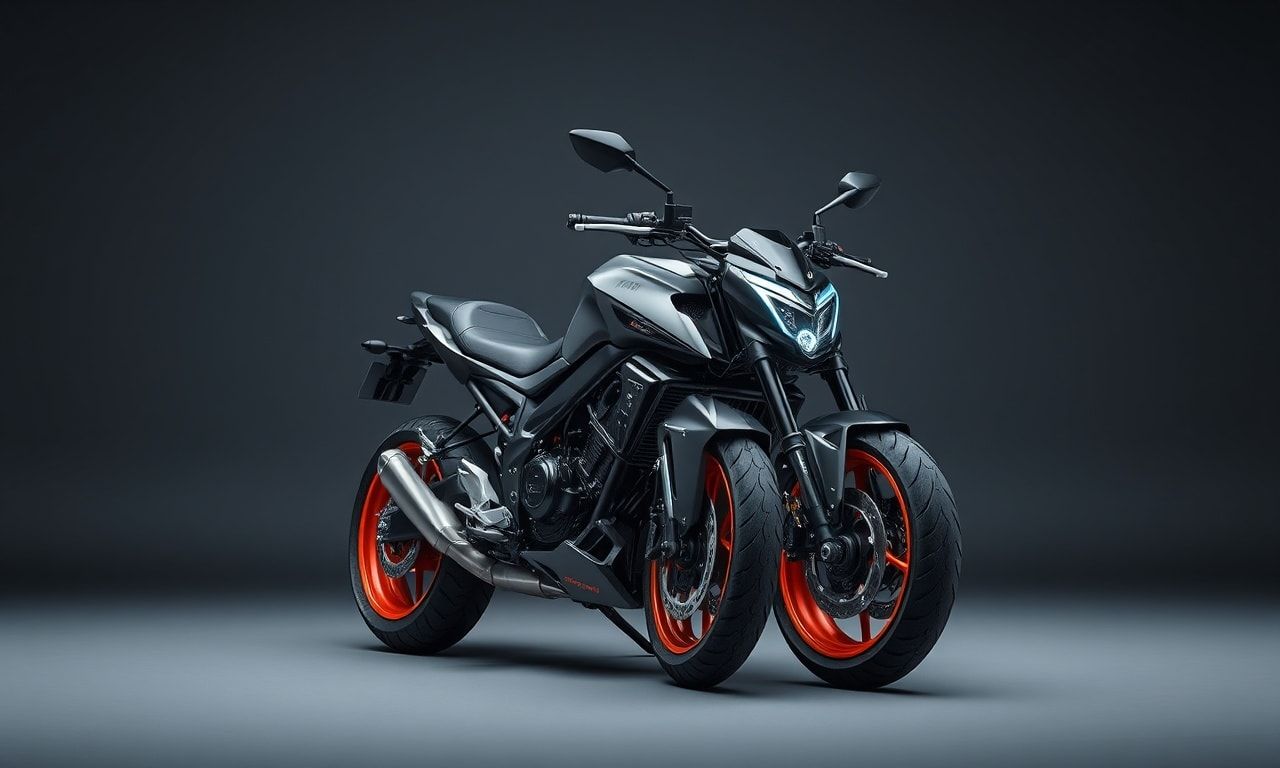
The Evolution of Motorcycle Technology
The motorcycle industry has witnessed remarkable advancements over the past few decades. From the introduction of fuel injection systems to the development of anti-lock braking systems (ABS), manufacturers have continually pushed the boundaries of what is possible. These innovations have not only improved the performance and safety of motorcycles but have also made them more accessible to a broader range of riders.
One of the most significant areas of innovation has been in the design and construction of motorcycle frames and chassis. Modern materials and manufacturing techniques have allowed engineers to create lighter, stronger, and more flexible structures that enhance both the handling and the comfort of motorcycles. For those interested in customizing their rides, resources like Honda bike frame and chassis modifications offer a wealth of information on how to tailor these components to individual preferences and needs.
The Role of Lightweight Materials
One of the key trends in motorcycle design has been the increasing use of lightweight materials. Traditional steel frames have been supplemented or replaced by aluminum alloys, carbon fiber, and other composite materials. These materials offer several advantages, including reduced weight, improved strength, and enhanced corrosion resistance. The use of lightweight materials has allowed manufacturers to design motorcycles that are not only faster and more agile but also more fuel-efficient.
For example, carbon fiber frames have become increasingly popular in high-performance motorcycles. Carbon fiber is known for its exceptional strength-to-weight ratio, making it an ideal material for motorcycle frames. Additionally, carbon fiber frames can be customized to provide specific levels of rigidity and flexibility, allowing riders to fine-tune the handling characteristics of their motorcycles.
Advancements in Chassis Design
Chassis design has also seen significant advancements, with manufacturers experimenting with new geometries and configurations. Traditional diamond frames have been supplemented by trellis frames, perimeter frames, and even monocoque designs. These new designs offer improved stability, better weight distribution, and enhanced rider comfort.
One notable example is the trellis frame, which has become a staple in many modern motorcycles. Trellis frames are characterized by their open, lattice-like structure, which provides excellent rigidity while minimizing weight. This design allows for better heat dissipation and easier access to the motorcycle’s engine and other components, making maintenance and customization more straightforward.
The Impact of Electronics
Electronics have played a crucial role in the evolution of motorcycle design. Modern motorcycles are equipped with a wide range of electronic systems, including traction control, ride modes, and adaptive suspension. These systems work together to enhance the riding experience, providing riders with greater control and confidence in various conditions.
For instance, traction control systems use sensors to monitor wheel speed and throttle input, automatically adjusting the power delivery to prevent wheel spin. This technology is particularly useful in slippery or uneven conditions, where maintaining traction can be challenging. Similarly, adaptive suspension systems adjust the damping characteristics of the suspension in real-time, providing a smoother and more comfortable ride.
The Future of Motorcycle Design
The future of motorcycle design looks promising, with several exciting developments on the horizon. One of the most anticipated advancements is the integration of electric powertrains. Electric motorcycles offer several advantages over their traditional counterparts, including instant torque, reduced maintenance, and zero emissions. As battery technology continues to improve, electric motorcycles are expected to become more powerful, more affordable, and more widely available.
Another area of innovation is the use of artificial intelligence (AI) and machine learning in motorcycle design. AI algorithms can analyze vast amounts of data to identify patterns and trends, allowing manufacturers to optimize the performance and safety of their motorcycles. For example, AI can be used to develop predictive maintenance systems that alert riders to potential issues before they become serious problems.
In conclusion, the motorcycle industry is undergoing a period of rapid innovation and change. From the use of lightweight materials to the integration of advanced electronics, manufacturers are continually pushing the boundaries of what is possible. As technology continues to evolve, we can expect to see even more exciting developments in the world of motorcycles, making them safer, more efficient, and more enjoyable to ride.
In light of recent recalls and safety concerns, understanding product liability is crucial; explore the key aspects in navigating product liability laws.
As urban mobility evolves, New York’s cycling movement gains traction in unexpected ways, according to our latest report.