

The Rapid Evolution of Medical Technology
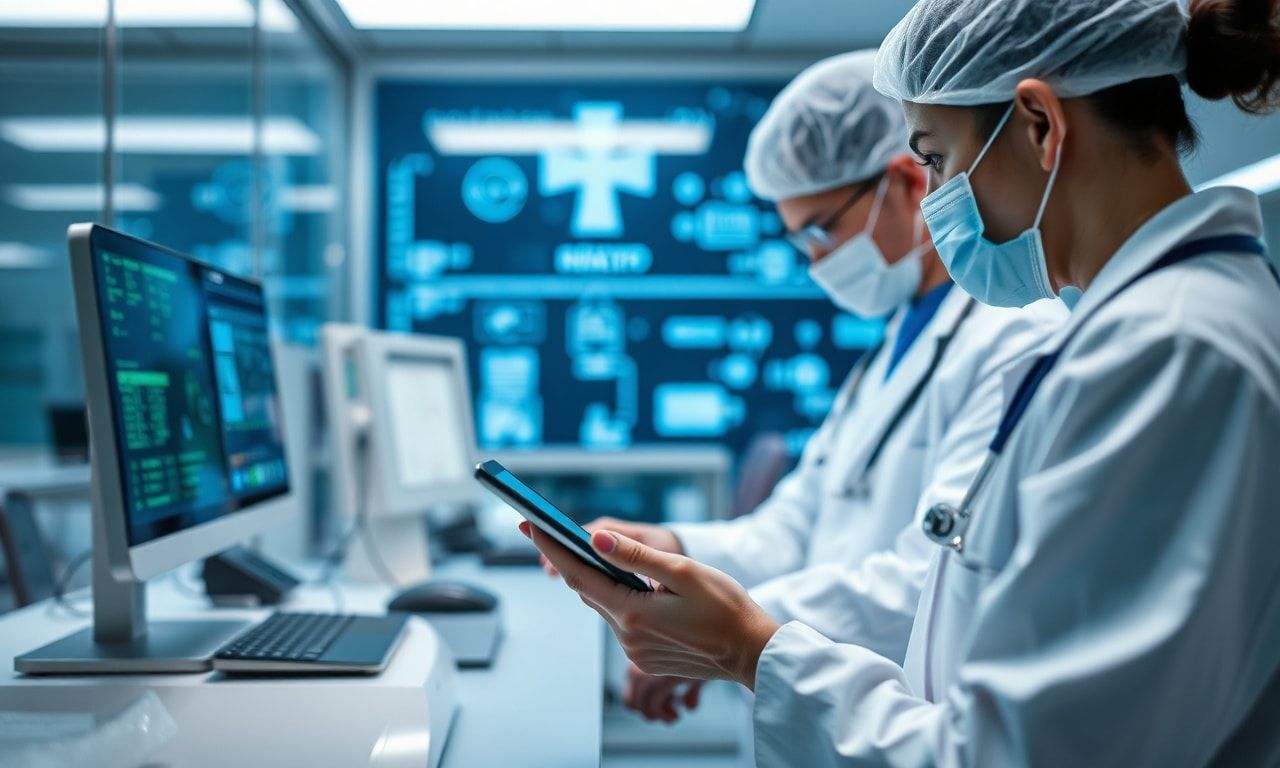
The healthcare industry is undergoing a profound transformation, driven by rapid advancements in technology. From artificial intelligence to telemedicine, these innovations are revolutionizing the way medical services are delivered, enhancing patient outcomes, and improving operational efficiency. This article explores the latest trends and breakthroughs in medical technology, highlighting their impact on the healthcare landscape.
The Rise of Telemedicine
Telemedicine has emerged as a critical component of modern healthcare, particularly in the wake of the COVID-19 pandemic. This technology enables patients to consult with healthcare providers remotely, reducing the need for in-person visits and minimizing the risk of infection. According to recent studies, telemedicine has seen a significant surge in usage, with many patients and healthcare providers embracing this convenient and effective approach to medical care. The adoption of telemedicine has also been facilitated by the widespread availability of high-speed internet and the proliferation of smartphones, making it accessible to a broader population.
Artificial Intelligence in Healthcare
Artificial intelligence (AI) is playing an increasingly pivotal role in healthcare, offering solutions that range from diagnostic tools to predictive analytics. AI algorithms can analyze vast amounts of medical data to identify patterns and make predictions, aiding healthcare professionals in diagnosing diseases more accurately and efficiently. For instance, AI-powered imaging technologies can detect abnormalities in medical scans with a high degree of precision, enabling earlier intervention and better patient outcomes. Additionally, AI is being used to develop personalized treatment plans, taking into account individual patient data to tailor therapies that are more effective and less likely to cause adverse side effects.
One of the most promising applications of AI in healthcare is in the field of drug discovery. Traditional drug development processes are time-consuming and costly, often taking years to bring a new medication to market. AI can accelerate this process by analyzing biological data to identify potential drug candidates and predict their effectiveness. This not only speeds up the development of new treatments but also reduces the overall cost, making innovative therapies more accessible to patients.
Wearable Technology and Remote Monitoring
Wearable technology has become an integral part of modern healthcare, providing patients with the tools to monitor their health in real-time. Devices such as smartwatches and fitness trackers can track vital signs, physical activity, and sleep patterns, offering valuable insights into a patient’s overall health. These devices are particularly beneficial for individuals with chronic conditions, such as diabetes or heart disease, as they enable continuous monitoring and early detection of potential complications.
Remote monitoring systems are another significant advancement in healthcare technology. These systems allow healthcare providers to track patients’ health metrics remotely, ensuring timely intervention when necessary. For example, remote monitoring devices can alert healthcare professionals to changes in a patient’s condition, such as irregular heart rhythms or fluctuations in blood sugar levels, enabling prompt treatment and preventing complications. This technology is particularly valuable for elderly patients or those with mobility issues, as it allows them to receive high-quality care without the need for frequent hospital visits.
The Role of Big Data in Healthcare
Big data is transforming the healthcare industry by providing valuable insights into patient populations and healthcare trends. By analyzing large datasets, healthcare providers can identify patterns and trends that inform decision-making and improve patient care. For example, big data analytics can help identify high-risk patients who may benefit from early intervention, optimize hospital resource allocation, and enhance the efficiency of healthcare delivery systems.
One of the key benefits of big data in healthcare is its ability to support predictive analytics. By analyzing historical data, healthcare providers can predict future trends and outcomes, enabling them to make informed decisions about patient care. For instance, predictive analytics can help identify patients who are at risk of developing chronic conditions, allowing for early intervention and preventive measures. Additionally, big data can be used to track the effectiveness of treatments and identify areas for improvement, ultimately enhancing the quality of care provided to patients.
Innovations in Medical Devices
The field of medical devices is also witnessing significant advancements, with new technologies enhancing the accuracy and efficiency of diagnoses and treatments. For example, robotic surgery systems are revolutionizing the way surgical procedures are performed, offering greater precision and minimizing the risk of complications. These systems enable surgeons to perform complex procedures with enhanced accuracy, reducing recovery times and improving patient outcomes.
Another notable advancement in medical devices is the development of point-of-care testing (POCT) devices. These portable devices allow healthcare providers to perform diagnostic tests at the point of care, providing rapid results and enabling timely treatment decisions. POCT devices are particularly valuable in emergency situations, where quick and accurate diagnoses are crucial for patient outcomes. Additionally, these devices are being used in remote and underserved areas, where access to traditional laboratory facilities may be limited.
In the realm of medical supplies, the importance of high-quality products cannot be overstated. For instance, when it comes to surgical supplies, choosing the best brands is crucial for ensuring patient safety and successful outcomes. Websites like kampalanları en iyi markaları provide a comprehensive overview of the top brands in the market, helping healthcare professionals make informed decisions about the products they use.
The Future of Healthcare Technology
The future of healthcare technology is bright, with ongoing research and development paving the way for even more innovative solutions. Emerging technologies such as virtual reality (VR) and augmented reality (AR) are being explored for their potential applications in medical training and patient care. For example, VR can be used to simulate surgical procedures, providing medical students and trainees with a realistic and immersive learning experience. AR, on the other hand, can enhance the accuracy of surgical procedures by overlaying digital information onto the real-world environment, guiding surgeons during complex operations.
Another promising area of development is the use of nanotechnology in healthcare. Nanotechnology involves the manipulation of matter on an atomic or molecular scale, enabling the creation of highly precise and targeted medical treatments. For instance, nanotechnology can be used to develop drug delivery systems that target specific cells or tissues, minimizing side effects and enhancing the effectiveness of treatments. Additionally, nanotechnology is being explored for its potential applications in diagnostic imaging, offering more accurate and detailed images of the body’s internal structures.
As technology continues to evolve, the healthcare industry will undoubtedly witness even more groundbreaking advancements. The integration of these technologies into medical practice will not only enhance the quality of care but also improve patient outcomes and reduce healthcare costs. By embracing these innovations, healthcare providers can deliver more personalized and effective treatments, ultimately transforming the way medical services are delivered.