

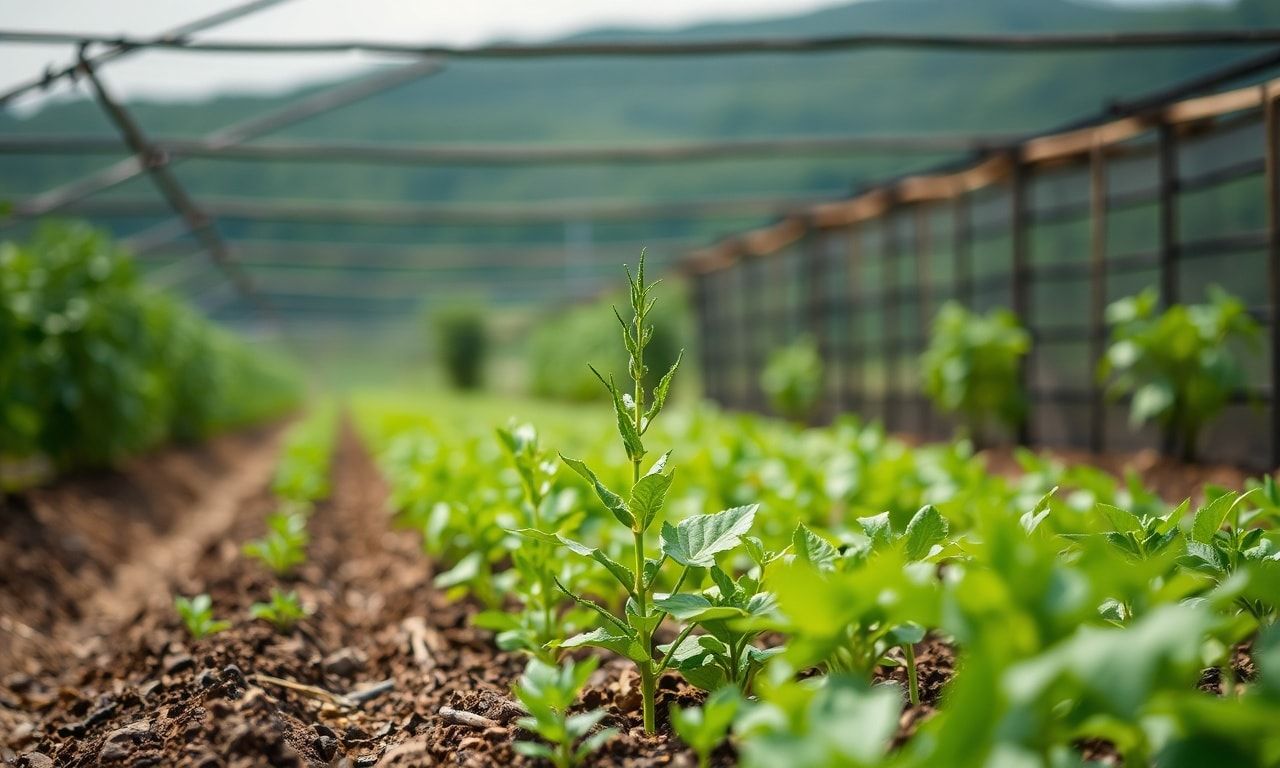
The Impact of Climate Change on Local Farming
Climate change is an undeniable force reshaping our world, and its effects are particularly pronounced in the realm of local agriculture. Farmers and gardeners across the United States are grappling with the consequences of shifting weather patterns, which include more frequent droughts, intense storms, and unpredictable growing seasons. These changes are not just affecting crop yields but also altering the very fabric of local farming communities.
According to recent studies, the average temperature in the U.S. has risen by about 1.8 degrees Fahrenheit over the past century. This might seem like a small number, but it has significant implications for agriculture. Warmer temperatures can lead to earlier blooms and longer growing seasons in some regions, but they can also bring about more frequent heatwaves and droughts, which can be devastating for crops. Additionally, changes in precipitation patterns are causing both flooding and water scarcity issues, further complicating the lives of farmers.
Adapting to the New Normal
In response to these challenges, many farmers are adopting new strategies to adapt to the changing climate. Some are switching to drought-resistant crop varieties, while others are investing in advanced irrigation systems to make the most of limited water resources. There is also a growing interest in agroforestry, a practice that integrates trees with crops and livestock to create more resilient and sustainable farming systems.
Local gardening communities are also feeling the impact. As weather patterns become more erratic, gardeners are finding it increasingly difficult to predict the best times to plant and harvest. This is where resources like weather impact on local gardening can be invaluable, providing insights and tips tailored to the unique challenges posed by climate change.
The Role of Technology
Technology is playing a crucial role in helping farmers and gardeners adapt to climate change. Precision agriculture, which uses data analytics and GPS technology to optimize crop yields, is becoming more widespread. Drones and satellites are being used to monitor crop health and soil moisture levels, allowing for more targeted and efficient use of resources. Additionally, advancements in genetic engineering are leading to the development of crops that are more resistant to drought, pests, and diseases.
Despite these advancements, there are still significant challenges ahead. The cost of implementing new technologies can be prohibitive for small-scale farmers, and there is a need for more investment in research and development to ensure that these technologies are accessible to all. Furthermore, climate change is a global issue, and international cooperation will be essential to address its impacts on agriculture effectively.
Policy and Community Support
Government policies and community support are also crucial in helping farmers and gardeners adapt to climate change. Subsidies and grants for sustainable farming practices can make a significant difference, as can education and outreach programs that provide farmers with the knowledge and skills they need to thrive in a changing climate. Community-supported agriculture (CSA) programs are also gaining popularity, as they provide a direct link between farmers and consumers, ensuring a steady income for farmers and a reliable source of fresh produce for consumers.
In conclusion, climate change is having a profound impact on local agriculture, but there are also many opportunities for adaptation and innovation. By embracing new technologies, adopting sustainable practices, and fostering community support, farmers and gardeners can not only survive but thrive in the face of these challenges. The road ahead may be difficult, but with collective effort and determination, a sustainable and resilient agricultural future is within reach.
Looking Ahead
The future of local agriculture in the face of climate change is uncertain, but it is not hopeless. By taking proactive steps now, we can build a more resilient and sustainable agricultural system that can withstand the challenges of a changing climate. This will require collaboration and innovation from farmers, researchers, policymakers, and communities. Together, we can ensure that local agriculture continues to thrive, providing food security and economic stability for generations to come.
To gain a deeper understanding of the current challenges facing U.S. school districts, consider exploring the budget crisis in detail, a comprehensive analysis of the ongoing fiscal issues.
In the midst of economic headwinds, Liverpool’s determination stands out, as detailed in city’s resilience amid challenges.
To stay informed about the latest shifts in education policies, consider exploring Germany’s evolving education reforms, which offers a comprehensive overview of current developments.