

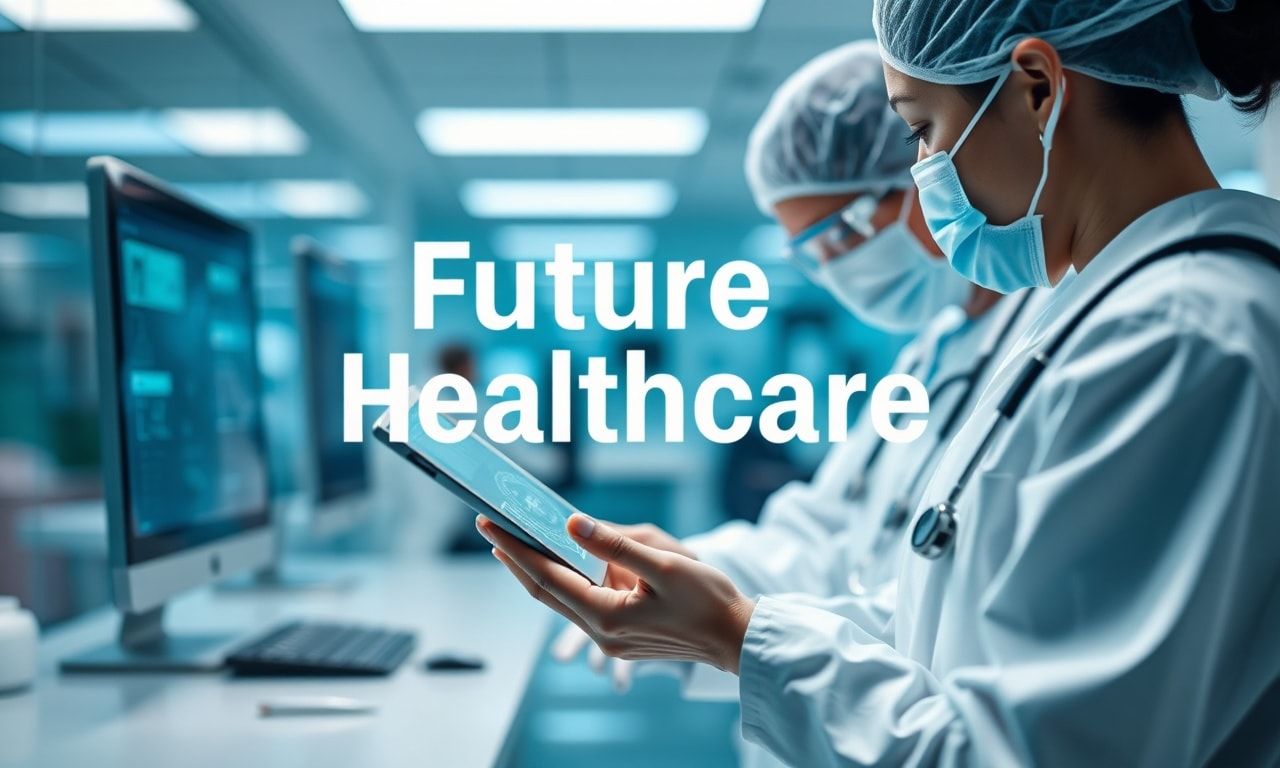
The Evolution of Healthcare
The healthcare industry is on the cusp of a transformative era, driven by technological advancements and a growing emphasis on preventive care. As we look ahead to 2026, several key trends and innovations are poised to reshape the landscape of healthcare delivery, patient outcomes, and overall well-being. This article explores the most significant developments expected to define the future of healthcare in the coming years.
Technological Advancements
Technology continues to play a pivotal role in revolutionizing healthcare. Artificial Intelligence (AI) and machine learning are expected to enhance diagnostic accuracy, personalize treatment plans, and streamline administrative processes. Wearable devices and remote monitoring systems will become more sophisticated, enabling real-time health data collection and proactive intervention. Telemedicine, which saw a surge in popularity during the COVID-19 pandemic, will continue to expand, making healthcare more accessible to patients in remote areas.
AI and Machine Learning
AI and machine learning algorithms are being developed to analyze vast amounts of medical data, identifying patterns and predicting health outcomes with unprecedented accuracy. These technologies can assist healthcare professionals in diagnosing diseases at earlier stages, recommending personalized treatment options, and even predicting patient deterioration. The integration of AI into electronic health records (EHRs) will further enhance the efficiency of healthcare delivery, reducing administrative burdens and improving patient care.
Wearable Technology
Wearable devices, such as smartwatches and fitness trackers, are becoming increasingly sophisticated. By 2026, these devices will likely include advanced sensors capable of monitoring a wide range of health metrics, from blood pressure and heart rate to blood glucose levels and oxygen saturation. The data collected by these wearables can be transmitted directly to healthcare providers, enabling timely interventions and personalized care plans. Additionally, wearable technology will play a crucial role in preventive healthcare, encouraging individuals to adopt healthier lifestyles and monitor their well-being proactively.
Preventive and Personalized Medicine
The shift from reactive to proactive healthcare is gaining momentum. Preventive medicine, which focuses on identifying and addressing health risks before they become serious, will be a cornerstone of healthcare in 2026. Personalized medicine, which tailors treatments to individual genetic makeup and lifestyle factors, will also become more prevalent. This approach not only improves patient outcomes but also reduces healthcare costs by preventing the onset of chronic diseases.
Genetic Testing and Personalized Treatments
Advances in genetic testing and genomics will enable healthcare providers to offer personalized treatment plans based on an individual’s genetic profile. By understanding a patient’s genetic predispositions, doctors can recommend targeted therapies that are more effective and have fewer side effects. This personalized approach will be particularly beneficial in the treatment of cancer, cardiovascular diseases, and other complex conditions. Furthermore, genetic testing will play a crucial role in preventive healthcare, allowing individuals to take proactive measures to reduce their risk of developing certain diseases.
Nutrition and Supplements
Nutrition will continue to be a critical component of preventive healthcare. In 2026, we can expect to see a greater emphasis on personalized nutrition plans, tailored to an individual’s unique dietary needs and health goals. The use of health supplements will also become more prevalent, with a focus on evidence-based products that support overall well-being. For a comprehensive review of the latest health supplements, visit review of latest health supplements for 2026. These supplements will be designed to address specific health concerns, such as improving gut health, boosting immunity, and enhancing cognitive function.
Mental Health and Well-being
Mental health awareness has been on the rise, and by 2026, it will be an integral part of overall healthcare. The stigma surrounding mental health issues will continue to diminish, and access to mental health services will improve. Teletherapy and digital mental health platforms will become more widely available, providing convenient and accessible support to individuals in need. Additionally, workplace wellness programs will focus on promoting mental health and well-being, recognizing the impact of stress and burnout on employee productivity and overall health.
Teletherapy and Digital Mental Health Platforms
Teletherapy, which involves providing mental health services remotely via video conferencing, will become a standard practice by 2026. This approach offers several benefits, including increased accessibility, convenience, and privacy. Digital mental health platforms will also play a significant role in supporting individuals’ mental well-being. These platforms offer a range of services, from self-guided therapy programs to virtual support groups and mental health tracking tools. By leveraging technology, mental health services will become more accessible to a broader population, including those in remote or underserved areas.
Workplace Wellness Programs
Employers are increasingly recognizing the importance of mental health in the workplace. By 2026, workplace wellness programs will place a greater emphasis on mental health and well-being. These programs will offer a range of services, such as stress management workshops, mindfulness training, and access to mental health professionals. By prioritizing mental health, employers can create a healthier, more productive workforce and reduce the costs associated with absenteeism and turnover.
Conclusion
The future of healthcare in 2026 is bright, with technological advancements, personalized medicine, and a focus on preventive care driving significant improvements in patient outcomes and overall well-being. As we continue to embrace innovation and prioritize holistic health, we can look forward to a healthcare system that is more efficient, accessible, and effective. By staying informed about these trends and advancements, individuals can take proactive steps to manage their health and well-being in the years to come.
To stay informed about the latest advancements in healthcare, consider exploring recent developments in gastroenterology and how they are shaping medical practices in Turkey.
In the realm of current trends and their psychological impacts, a new article explores how fashion affects our mood.
As healthcare systems worldwide continue to evolve, Glasgow’s medical advancements make headlines with innovative approaches and significant developments.