

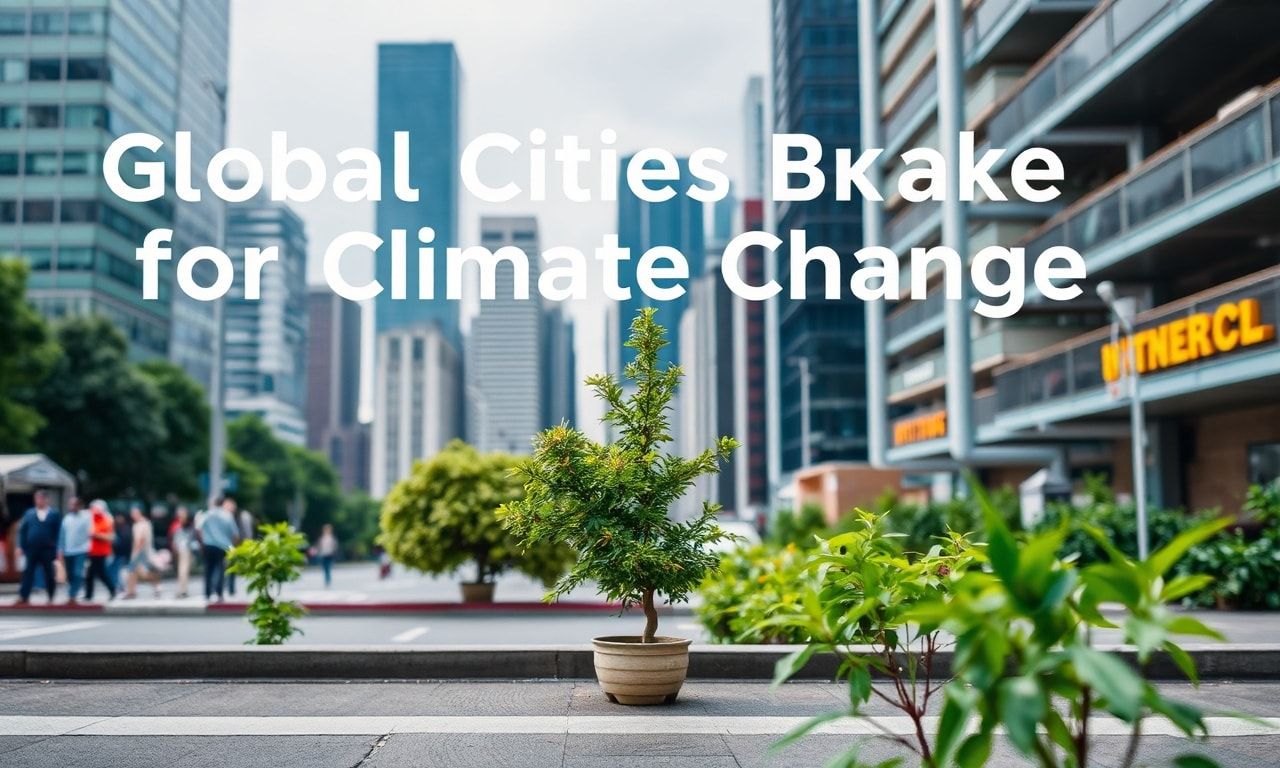
The Rising Tide of Climate Change Challenges
As the world grapples with the escalating impacts of climate change, cities around the globe are finding themselves at the forefront of this environmental crisis. Rising temperatures, extreme weather events, and sea-level rise are just a few of the challenges urban areas are facing. These issues are not only environmental but also pose significant threats to infrastructure, public health, and economic stability.
In response, cities are increasingly investing in resilience strategies to mitigate the effects of climate change. These strategies range from improving drainage systems to developing green spaces that can absorb excess water. The goal is to create urban environments that can withstand the increasing frequency and intensity of extreme weather events.
Innovative Solutions in Urban Planning
One of the most critical aspects of urban resilience is innovative planning. Cities are adopting a multi-faceted approach to address climate change. For instance, the concept of ‘sponge cities’ has gained traction in China, where urban areas are designed to absorb and store rainwater, reducing the risk of flooding. Similarly, cities in the Netherlands have long been pioneers in water management, implementing advanced systems to handle excess water.
In Europe, the city of Utrecht has become a model for effective water management. The city has developed a comprehensive system to manage water overflow, which has significantly reduced the impact of heavy rainfall. For more information on Utrecht’s water management strategies, you can visit the utrecht wateroverlast meldingen website, which provides detailed reports and updates on the city’s efforts.
The Role of Technology in Climate Resilience
Technology plays a pivotal role in enhancing urban resilience. Smart sensors, data analytics, and artificial intelligence are being deployed to monitor and predict climate-related risks. For example, smart drainage systems equipped with sensors can detect blockages and automatically adjust water flow to prevent flooding. Additionally, AI-driven models can predict weather patterns and help cities prepare for extreme events.
Cities are also leveraging technology to engage citizens in resilience efforts. Mobile apps and online platforms allow residents to report issues such as blocked drains or flooding, enabling quicker response times. This community-driven approach not only enhances efficiency but also fosters a sense of collective responsibility towards climate resilience.
Green Infrastructure and Urban Resilience
Green infrastructure is another key component of urban resilience. Parks, green roofs, and urban forests provide numerous benefits, including improved air quality, reduced urban heat island effects, and enhanced biodiversity. These green spaces also act as natural sponges, absorbing excess water and reducing the risk of flooding.
Cities like Singapore have made significant strides in integrating green infrastructure into their urban landscape. The ‘City in a Garden’ initiative aims to transform Singapore into a city with lush greenery and sustainable urban design. This approach not only enhances the city’s resilience to climate change but also improves the quality of life for its residents.
International Collaboration and Best Practices
Addressing climate change requires global collaboration and the sharing of best practices. Cities around the world are learning from each other’s experiences and adopting successful strategies to enhance their resilience. International organizations such as the C40 Cities Climate Leadership Group facilitate this exchange of knowledge, providing a platform for cities to collaborate and innovate.
For instance, the C40 Cities initiative has brought together cities from different continents to share their experiences in tackling climate change. This collaborative approach has led to the development of innovative solutions that can be adapted to various urban contexts. By leveraging the collective wisdom of global cities, urban areas can better prepare for the challenges posed by climate change.
Conclusion: A Path Forward
As climate change continues to pose significant threats to urban areas, the need for resilience strategies has become more critical than ever. Cities are responding with innovative solutions in urban planning, technology, and green infrastructure. The exchange of best practices and international collaboration further enhances their ability to adapt and thrive in the face of climate change.
While the challenges are immense, the progress made by cities around the world offers hope. By continuing to invest in resilience strategies and fostering a sense of collective responsibility, urban areas can build a sustainable future for their residents. The journey towards resilience is ongoing, but the steps taken today will shape the cities of tomorrow.
As the film industry continues to evolve, take a moment to explore cinema’s enduring appeal and impact in our latest feature.
As Cairo continues to evolve, our latest feature, exploring Cairo’s hidden gems, offers a comprehensive guide for visitors seeking to understand the city’s dynamic landscape.
As technology continues to reshape our daily lives, recent tech breakthroughs offer a glimpse into the future of innovation.