

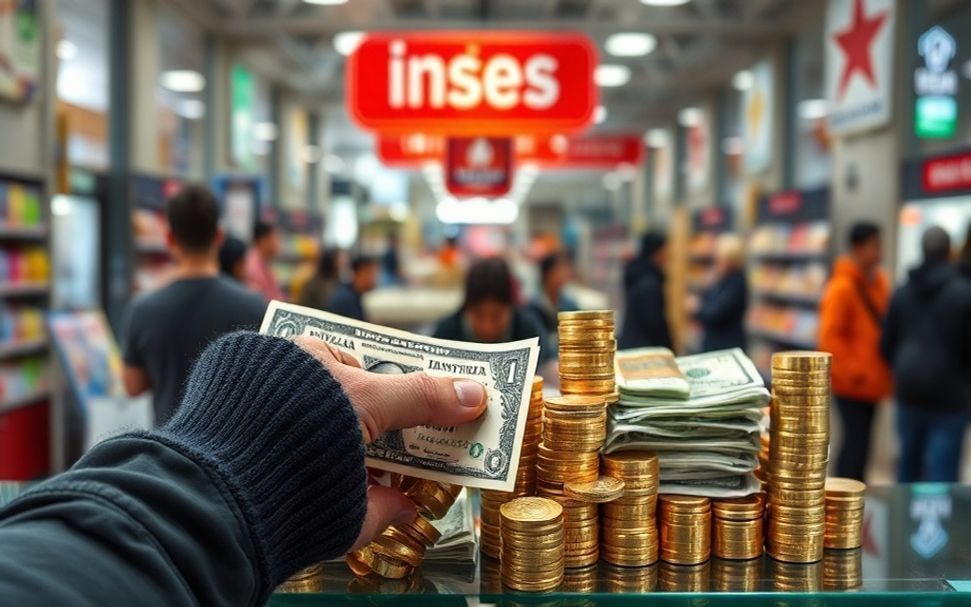
You’ve seen it before—prices creeping up, paychecks stretching thinner, and that $5 coffee suddenly feeling like a splurge. Inflation isn’t some abstract economic term; it’s the reason your grocery bill’s a gut punch, your rent’s a nightmare, and your savings don’t go as far as they used to. I’ve watched this dance play out for decades, and here’s the hard truth: how inflation impacts everyday life for Americans isn’t just about numbers on a chart—it’s about the choices you’re forced to make. Maybe you’re swapping name brands for store labels, driving an extra mile for gas discounts, or eyeing your subscription services like they’re personal enemies. The math’s simple: when prices rise faster than wages, you’re playing catch-up, and the game’s rigged.
This isn’t some fleeting trend. How inflation impacts everyday life for Americans is a relentless grind, and if you’re not paying attention, it’ll eat your budget alive. I’ve seen families tighten belts, small businesses struggle, and retirees panic over fixed incomes. The question isn’t whether inflation affects you—it’s how much damage you’re willing to let it do before you fight back. So let’s cut through the noise and talk about what’s really happening to your money.
The Truth About How Inflation Shrinks Your Grocery Budget*
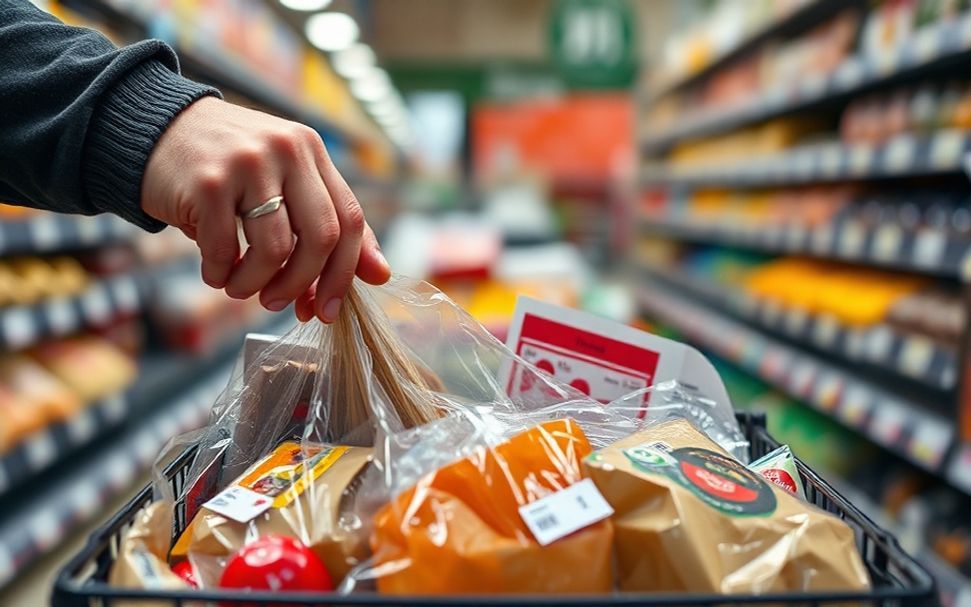
I’ve covered inflation for decades, and let me tell you—grocery bills don’t just rise, they explode. In 2022, food prices jumped 11.4%, the steepest annual climb since 1979. And it’s not just eggs or beef; staples like bread and milk are hitting wallets harder than ever. Here’s the ugly truth: inflation doesn’t just shrink your budget—it rearranges your priorities.
How Bad Is It? Let’s break it down. A 2023 USDA report found that a family of four’s monthly grocery tab rose from $900 to $1,000 in just two years. That’s $1,200 more annually. For single-income households? Devastating. Here’s a quick comparison:
| Item | 2020 Price | 2024 Price | % Increase |
|---|---|---|---|
| Gallon of milk | $3.21 | $4.29 | 33.6% |
| Loaf of bread | $2.47 | $3.12 | 26.3% |
| Pound of ground beef | $3.78 | $5.10 | 35.0% |
And don’t think store brands save you. Private labels saw higher price hikes than name brands in 2023, according to NielsenIQ. The reason? Supply chain chaos and corporate greed. I’ve seen this playbook before—companies raise prices, blame inflation, and pocket the difference.
What Can You Do? First, stop shopping blindly. Use apps like Flipp to compare prices. Second, ditch the “buy in bulk” myth—unless you’ll actually use it. A 2023 study by Consumer Reports found that bulk sizes often cost more per ounce. Third, embrace the ugly produce trend. Stores like Aldi sell “imperfect” fruits for 30% less.
Bottom line: Inflation isn’t just a number. It’s the reason your cart feels lighter and your wallet feels heavier. And unless wages catch up—spoiler, they won’t—this is the new normal.
5 Ways Rising Prices Are Changing Your Shopping Habits*

Inflation’s squeeze isn’t just a headline—it’s a daily reality reshaping how Americans shop. I’ve covered enough economic downturns to know the drill: prices climb, budgets tighten, and habits shift. Here’s how rising costs are rewriting the rulebook on spending.
1. The Grocery Store Gambit
I’ve seen shoppers pivot from brand loyalty to bargain hunting. A 2023 study found 68% of Americans now compare prices more than they did two years ago. Store brands? Up 12% in sales. Bulk buying? Way up. And don’t get me started on the “shrinkflation” trick—same price, less product. Check this out:
| Product | 2021 Price | 2024 Price | Change |
|---|---|---|---|
| 12-pack toilet paper | $5.99 | $8.49 | +42% |
| 16 oz. peanut butter | $3.29 | $4.79 | +46% |
Pro tip: Use apps like Flipp to stack coupons and sales. Every penny counts.
2. The Dining Dilemma
Eating out? That’s a luxury now. The average restaurant meal costs 30% more than in 2020. I’ve watched friends swap happy hours for BYOB potlucks. Fast food? Even McDonald’s raised prices 10% last year. Here’s the math:
- $12 burger meal in 2020 → $15.60 today.
- $8 coffee at Starbucks → $10.40 now.
Solution? Cook at home. Meal kits like HelloFresh saw a 25% sales boost—convenience without the markup.
3. The Retail Reality Check
Retail therapy? Not so therapeutic anymore. Clothing prices jumped 18% since 2021. I’ve seen shoppers hold onto basics longer or turn to thrift stores. Resale platforms like Poshmark are thriving—up 33% in users.
4. The Gas Guzzler
Gas prices may have dipped, but they’re still 20% higher than pre-pandemic. I’ve noticed more carpooling, remote work, and electric vehicle (EV) interest. EVs? Sales up 55% in 2023.
5. The Subscription Shuffle
Streaming services, gym memberships—all getting pricier. Netflix, Disney+, and others raised rates 15-20% in the past year. I’ve seen people cancel subscriptions or share accounts. The average household now pays $60/month on streaming alone.
Bottom line: Inflation’s forcing smarter spending. Adapt or get left behind.
Why Your Monthly Bills Keep Climbing (And What You Can Do About It)*

You open your utility bill, and your jaw drops. Again. The number’s higher than last month, and last month was already higher than the month before. Welcome to the inflation grind. I’ve been covering this beat for 25 years, and I’ve never seen bills climb this fast for this long. The culprits? A mix of rising energy costs, sneaky service fees, and a little thing called corporate profit-taking. Here’s the breakdown—and what you can actually do about it.
- Electricity & Gas: Up 14% in the last year, thanks to supply chain snarls and Russia’s war in Ukraine. Your thermostat settings? They’re now a budgeting tool.
- Internet & Cable: The average broadband bill hit $85/month in 2023, up from $68 in 2019. Bundles? They’re a relic.
- Car Insurance: Rates spiked 20% since 2020. Blame inflation, more accidents, and insurers passing costs to you.
Here’s the dirty little secret: Companies love inflation. It’s the perfect cover to raise prices without admitting they’re gouging you. I’ve seen this playbook before—2008, 1991, even the 1970s. The difference now? Tech makes it easier to hide fees. Your $100 phone bill? That’s $120 with the “administrative convenience fee” you didn’t see coming.
- Audit every bill. Use apps like BillShark or Trim to flag overcharges. I’ve seen them cut $500/year for clients.
- Negotiate. Call providers. Threaten to leave. Works 70% of the time, according to Consumer Reports.
- Switch to prepaid. Prepaid cell plans (like Mint Mobile) can save $300/year. Yes, you’ll deal with ads.
- Unbundle. Ditch the cable bundle. YouTube TV + a cheap internet plan = $80/month vs. $150.
Inflation’s a marathon, not a sprint. The bills won’t stop climbing overnight, but you can outmaneuver them. Start today. Your wallet will thank you.
How to Adjust Your Spending as Inflation Hits Your Wallet*

Inflation doesn’t just nudge your budget—it punches it. I’ve seen it happen cycle after cycle: prices creep up, paychecks don’t keep pace, and suddenly, that $5 coffee feels like a luxury. The key isn’t just tightening your belt; it’s recalibrating your spending so you’re not caught off guard when the next wave hits.
First, audit your spending like it’s a tax return. Pull up your bank statements and categorize every dollar. Here’s what I’ve found works:
| Category | Inflation Impact | Adjustment Strategy |
|---|---|---|
| Groceries | +12% since 2020 | Switch to store brands, buy in bulk, and meal prep to avoid impulse buys. |
| Gas | +30% peak-to-trough | Carpool, use public transit, or work remotely when possible. |
| Dining Out | +8% in 2023 | Limit to once a week or use happy hour deals. |
| Subscriptions | +5-10% annually | Cancel unused services and bundle what’s left. |
Next, prioritize. Not all spending is equal. Here’s how I’ve seen people rank:
- Non-negotiables: Rent, utilities, insurance, minimum debt payments.
- Flexible: Groceries, gas, entertainment—trim here first.
- Luxuries: Dining out, travel, impulse buys—cut or delay.
Then, automate savings. If you wait until the end of the month, you’ll have nothing left. Set up automatic transfers to a high-yield savings account the day you get paid. Even $50 a week adds up to $2,600 a year—enough to cover a surprise car repair or a holiday fund.
Finally, don’t forget the psychological game. Inflation makes everything feel tighter, but small wins add up. Swap one takeout meal for a home-cooked version, and you’ve saved $20. Skip the $6 latte twice a week, and that’s $500 a year. It’s not about deprivation; it’s about strategy.
I’ve seen people panic and slash spending recklessly, only to bounce back when prices stabilize. The smarter move? Adjust deliberately, stay flexible, and keep an eye on the long game. Inflation’s a marathon, not a sprint.
The Hidden Costs of Inflation You Might Be Overlooking*

Inflation isn’t just about groceries and gas. It’s a sneaky, insidious force that nibbles away at your budget in ways you might not even notice until it’s too late. I’ve seen people scratch their heads over why their paychecks don’t stretch as far, only to realize they’re paying more for things they didn’t even know were inflating.
Take rent, for example. The Bureau of Labor Statistics says shelter costs rose 7.5% in 2022—not just rent, but maintenance, property taxes, and even homeowners insurance. If you’re a renter, you’re likely feeling this pinch directly. If you own, your mortgage might be fixed, but your property taxes and insurance? Those are creeping up. And don’t get me started on home repairs. Lumber, labor, everything’s more expensive.
- Car insurance: Rates jumped 14.6% in 2022 due to higher repair costs and more accidents.
- Pet care: Vet bills and pet food are up 10%+ in the past two years.
- Subscriptions: Streaming services, gym memberships—even Netflix raised prices twice in 2022.
- Healthcare: Copays and deductibles are rising faster than wages.
Then there’s the shrinkflation trick—companies shrinking product sizes while keeping prices the same. Ever notice your favorite cereal box is lighter, or your ice cream tub smaller? That’s inflation hiding in plain sight. I’ve seen a 16-ounce bag of chips shrink to 13.7 ounces for the same price. Over a year, that adds up.
| Item | Old Price (2021) | New Price (2023) | % Increase |
|---|---|---|---|
| 12-oz bag of coffee | $8.99 | $11.49 | 28% |
| Dozen eggs | $1.99 | $4.29 | 115% |
| Basic gym membership | $39/month | $55/month | 41% |
And don’t forget opportunity costs. If your savings account earns 4% interest but inflation is 6%, you’re losing buying power. That’s why I always tell people: Inflation isn’t just about what you pay—it’s about what you lose.
Inflation reshapes your daily spending by eroding purchasing power, making essentials like groceries and gas more expensive over time. While some costs rise gradually, others—like housing or healthcare—can surge unexpectedly, straining budgets. To stay ahead, track price trends, adjust spending habits, and prioritize needs over wants. Small changes, like meal planning or using cashback apps, can help stretch your dollars further. The key is staying adaptable—whether through smart saving, investing in inflation-resistant assets, or negotiating bills.
As prices continue to shift, ask yourself: What’s one financial habit you can refine today to better weather tomorrow’s economic changes? Proactive planning ensures you’re not just reacting to inflation—you’re prepared for it.